


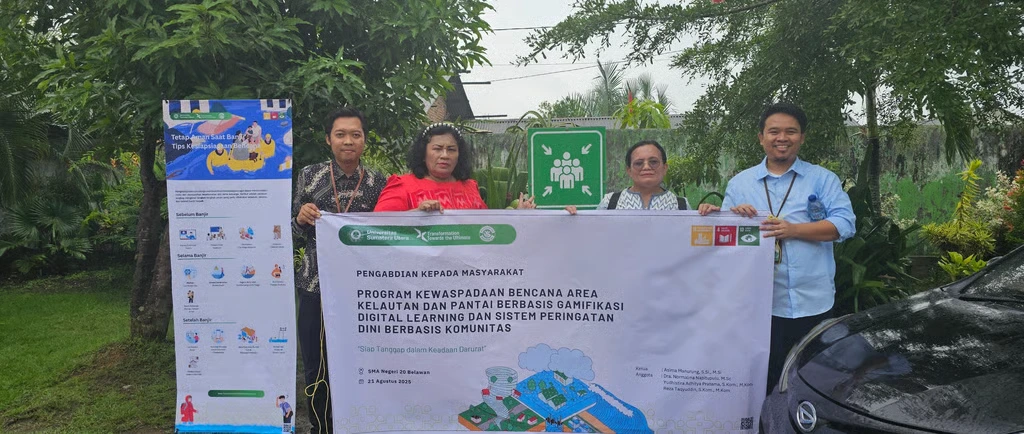
In an effort to enhance disaster awareness and preparedness among the younger generation, the Diploma Program in Informatics and Engineering of the Faculty of Vocational Education, Universitas Sumatera Utara (USU), organized an innovative community service program. Carrying the theme of coastal and marine disaster preparedness, the activity targeted students of SMA Negeri 20 Medan Belawan on Thursday, August 21, 2025. The school principal, Nurainun Sibuea, gave a positive response to the implementation of this activity.
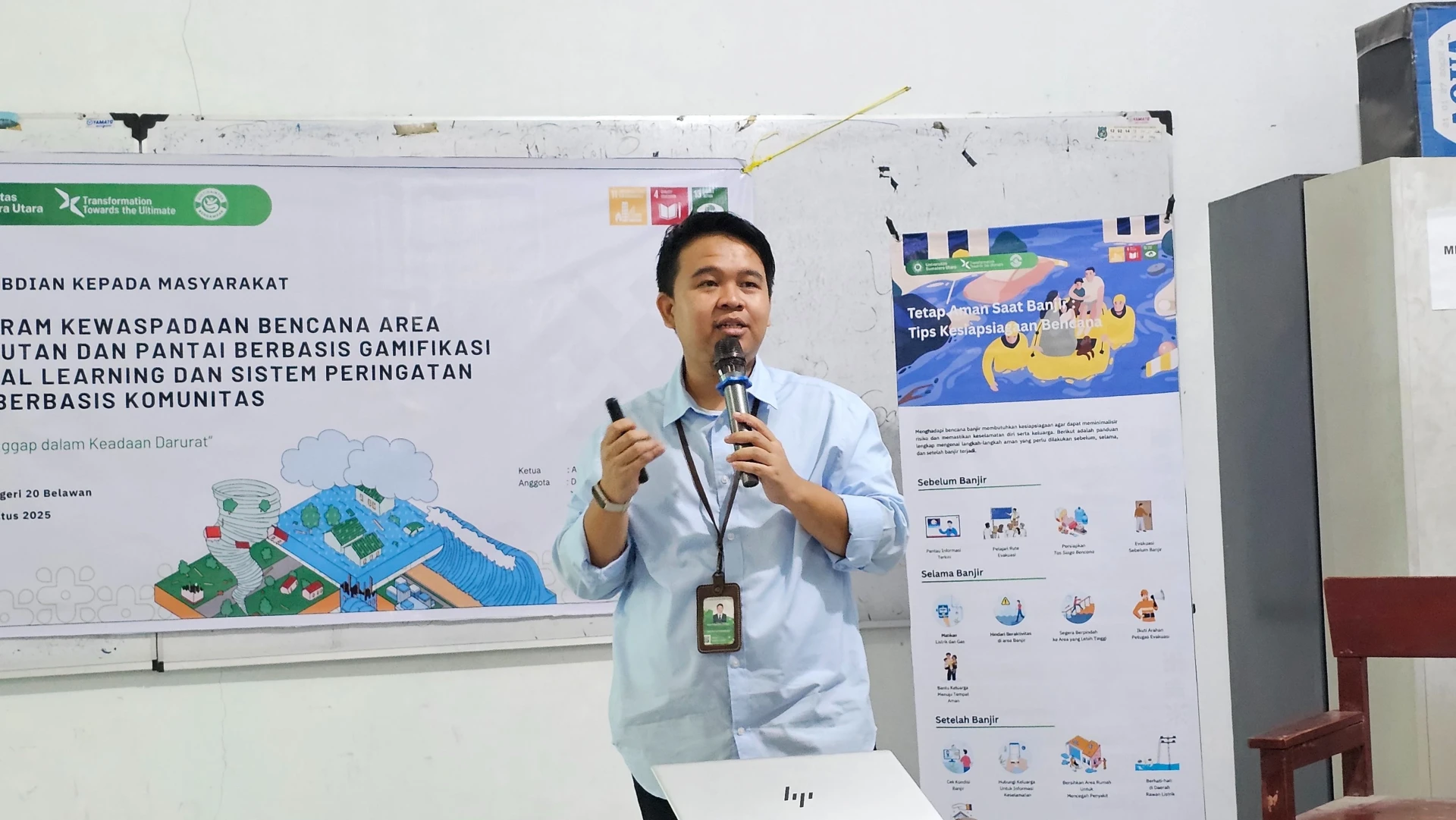
The program, focusing on disaster mitigation, adopted a modern approach through digital learning gamification to simplify complex materials and make them more engaging. SMA Negeri 20, located in Medan Belawan District, was strategically chosen due to its proximity to the coast and its high exposure to hydrological disaster risks. This activity also supports the Sustainable Development Goals (SDGs), particularly in the areas of sustainable cities and communities, quality education, and climate action.
The event began with an in-depth introduction to various hydrological disasters that frequently threaten marine and coastal areas, such as tsunamis, tidal floods, and coastal erosion. USU lecturers and students also presented disaster-prone area mapping around Medan’s coastal zones, providing locally relevant context for the students.
To illustrate the devastating impact of disasters, the students revisited the 2004 Aceh tsunami tragedy, a deeply significant event in Indonesia’s history. This was followed by the screening of a documentary on the 2011 Japan tsunami, which visually demonstrated the destructive power of waves and the importance of early warning systems and effective evacuation methods.
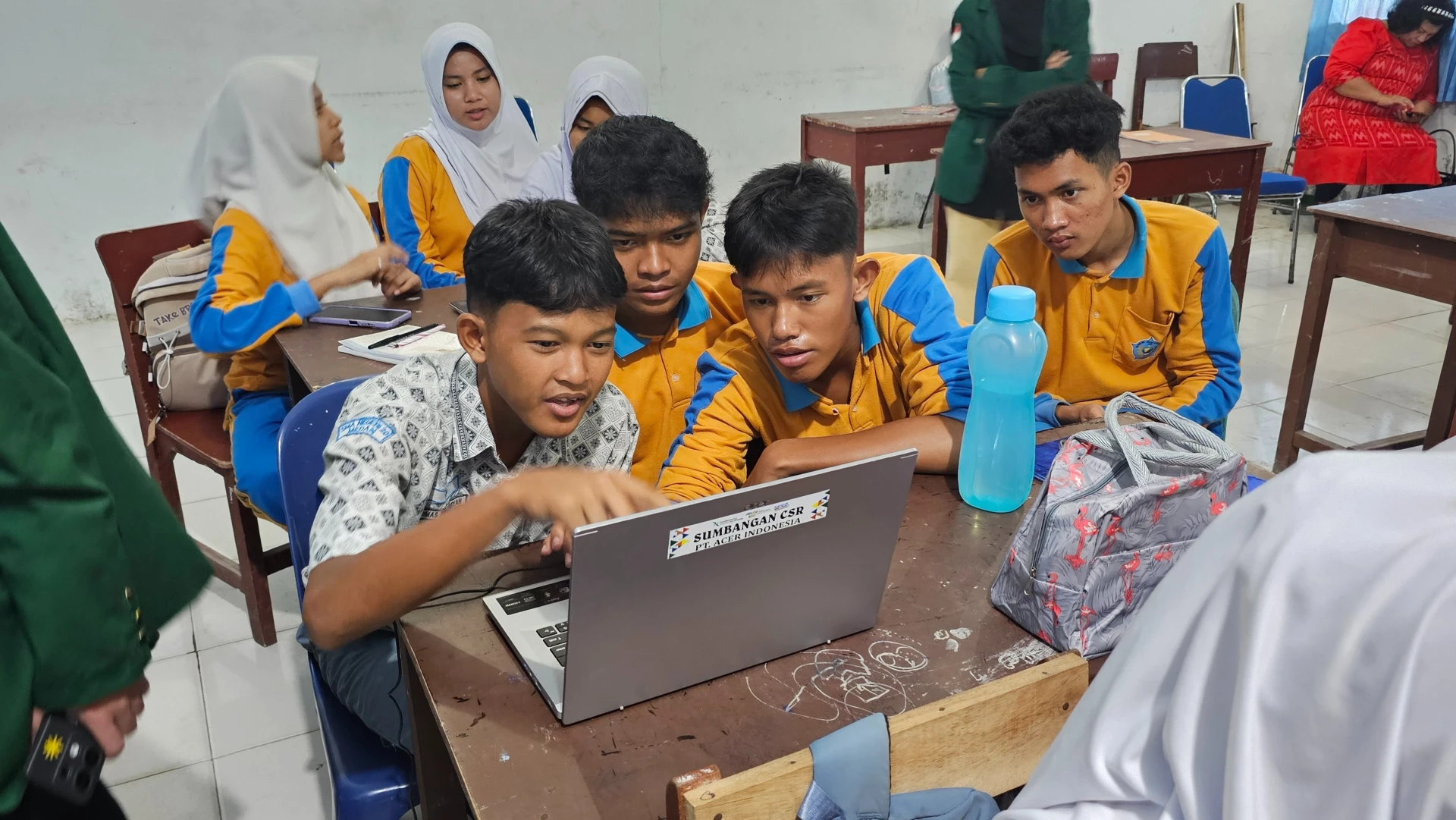
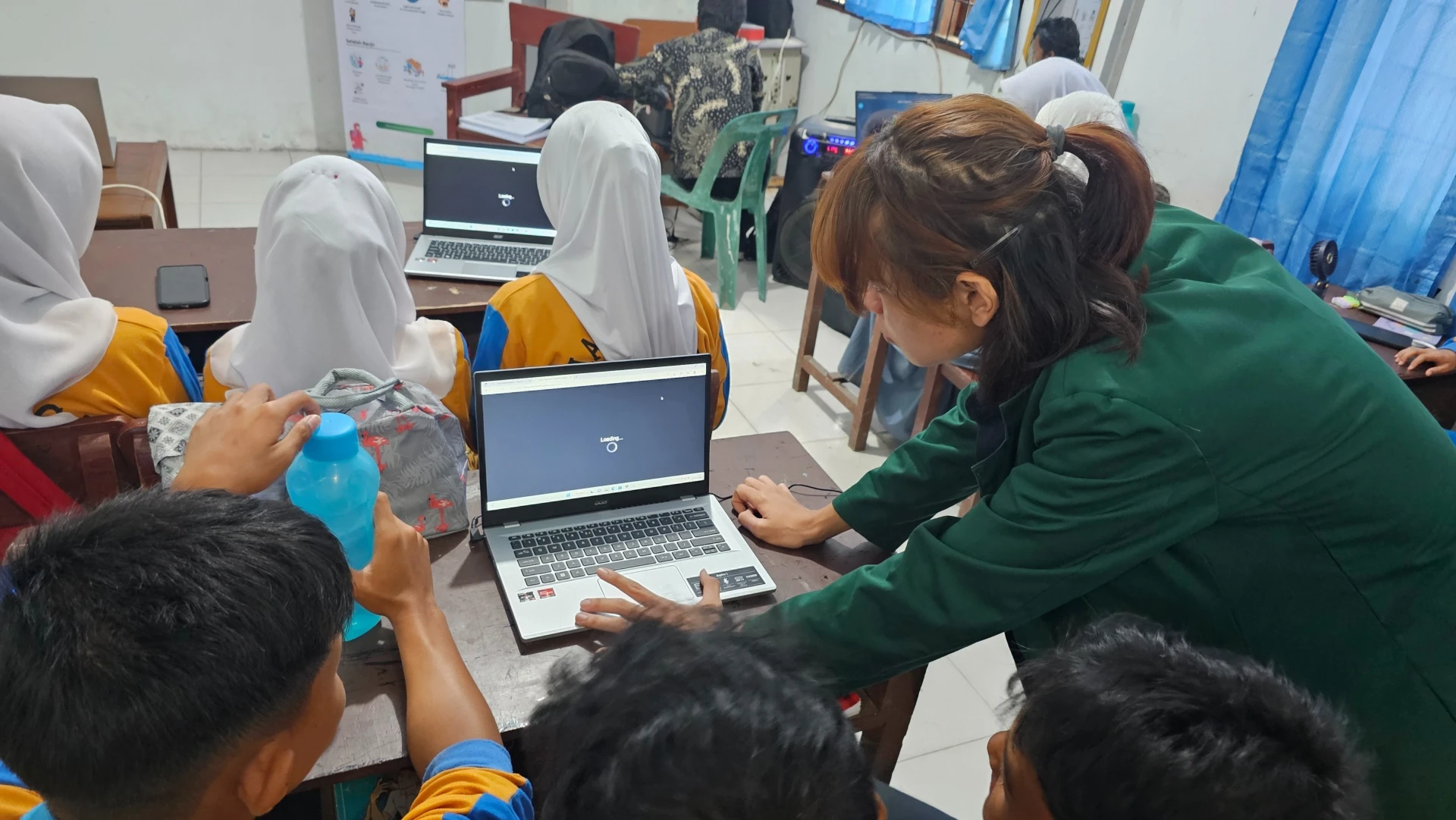
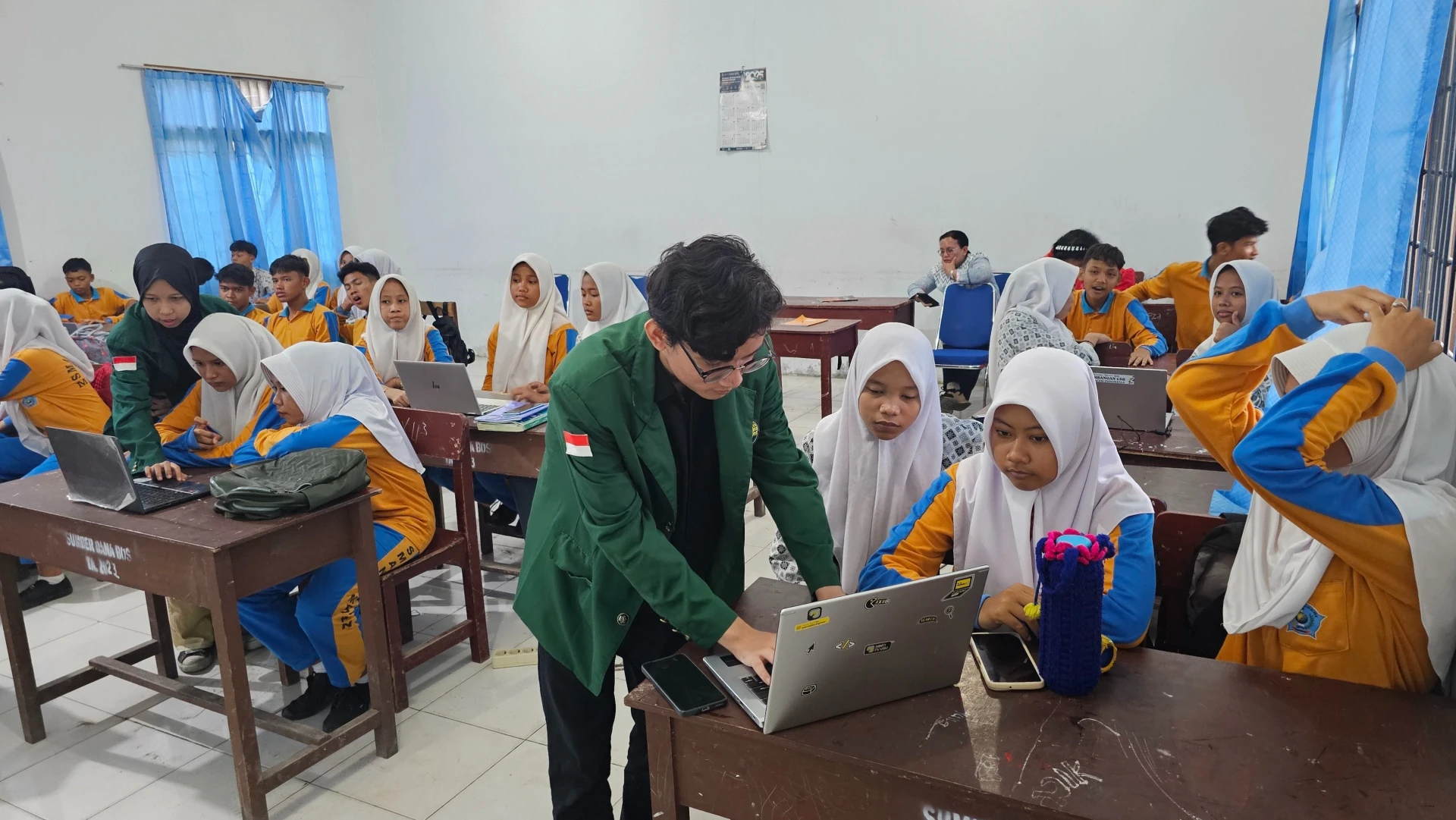
After gaining an understanding of risks and impacts, students were equipped with knowledge on mitigation processes, ranging from preventive measures and proper evacuation procedures to post-disaster recovery steps. The highlight of the program was a Disaster Risk Reduction (DRR) simulation game. In this interactive session, each student took on the role of an urban planner with specific goals and a limited budget to design tsunami mitigation strategies for a virtual area.
Students were challenged to make critical decisions such as building sea walls, planting mangroves, creating evacuation routes, or conducting public education campaigns while weighing cost-effectiveness and impact.
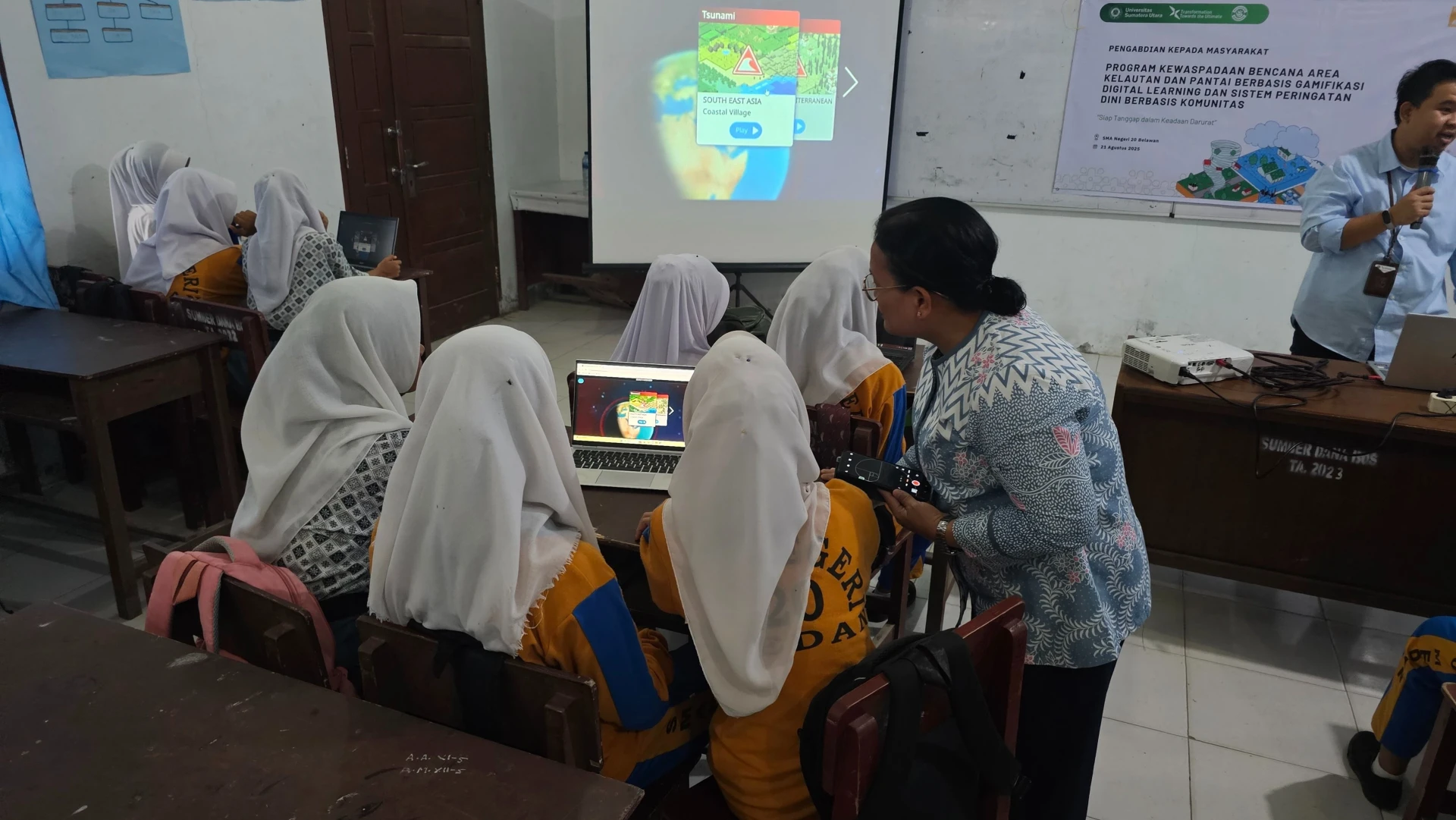
“The students showed remarkable enthusiasm, especially during the simulation session. They were not merely passive listeners but actively engaged in discussions and competed to create the best disaster mitigation plans,” said Asima Manurung, head of the USU Faculty of Vocational Education community service team. The entire simulation process was conducted through a specially designed digital application. At the end of the game, each student received an automatic mitigation score based on their planning, providing direct feedback on their understanding and ability to apply disaster mitigation concepts.
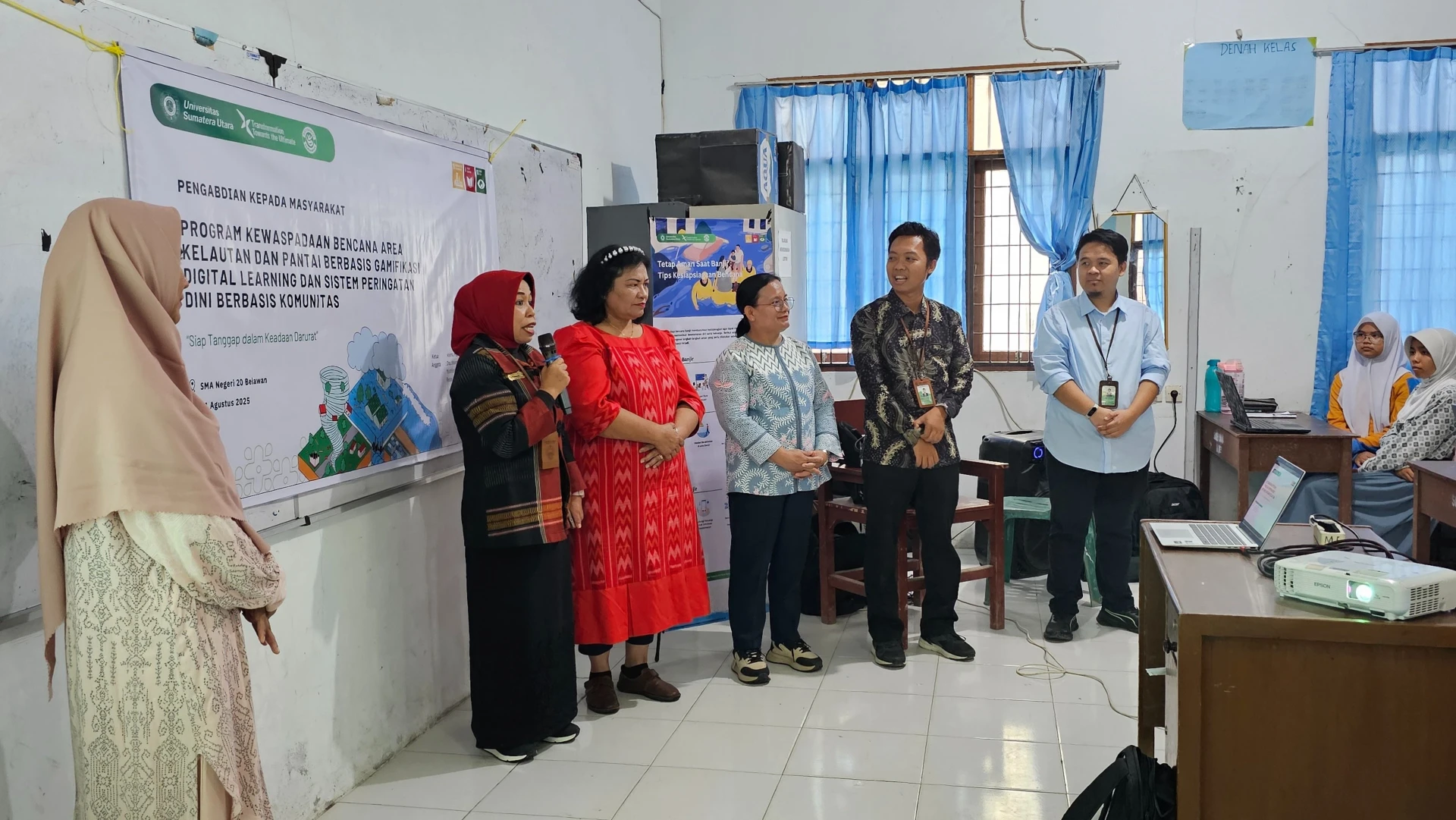
This community service activity was carried out by the Faculty of Vocational Education team of Universitas Sumatera Utara, led by Asima Manurung, S.Si., M.Si., supported by three lecturers from the study program: Dra. Normalina Napitupulu, M.Sc., Yudhistira Adhitya Pratama, S.Kom., M.Kom., and Reza Taqyuddin, S.Kom., M.Kom. Student participants included Muhammad Rayhan, Nadira Nathalie Kuechler, Said Nur Arif, and Shata Dhiyaul Haq.
The program concluded with the hope that utilizing technology such as gamification can serve as a bridge to instill a culture of disaster awareness from an early age, preparing a resilient younger generation ready to face future potential threats.