


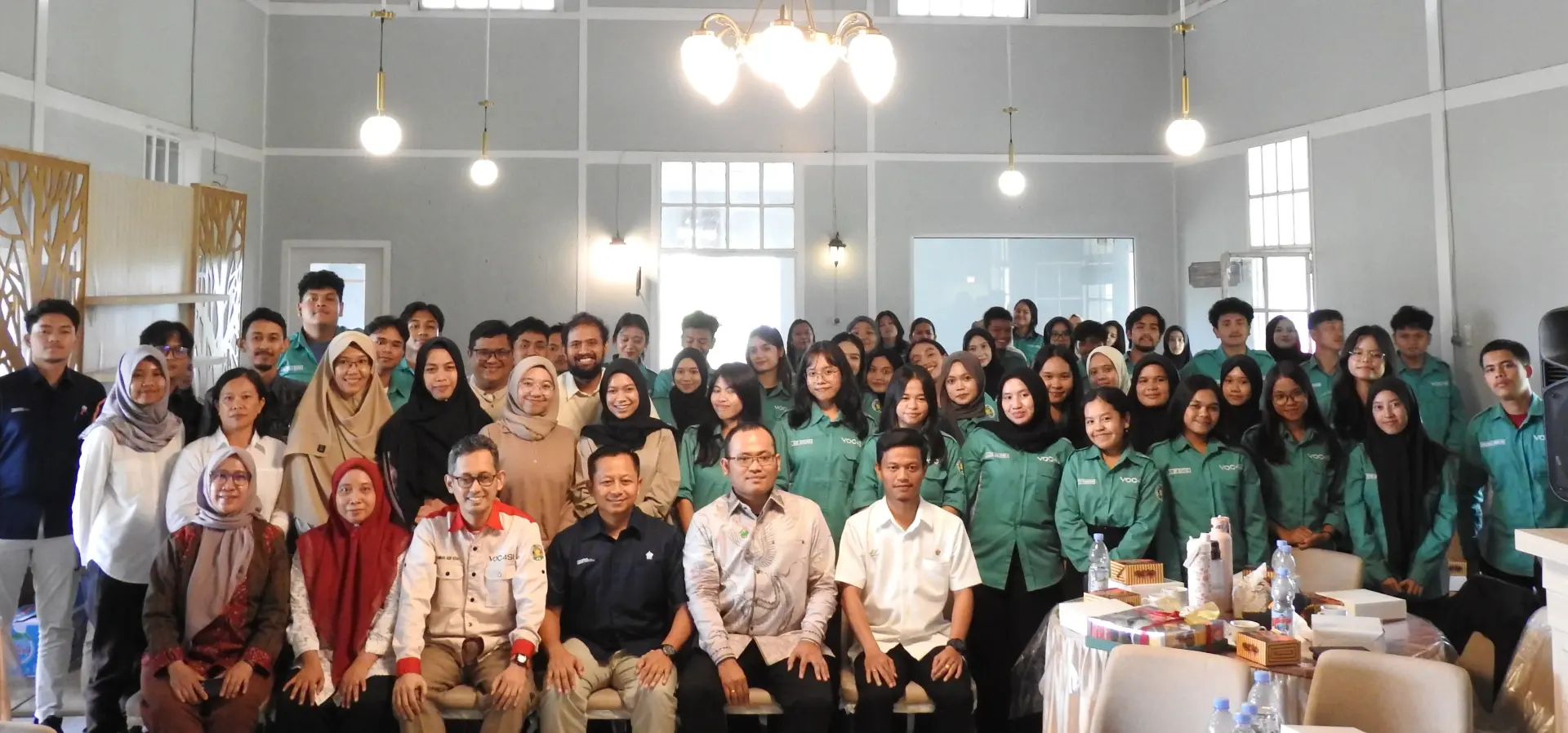
Simalungun, November 19, 2025 – The Applied Bachelor's Degree Program in Public Sector Accounting, Faculty of Vocational Education, Universitas Sumatera Utara, conducted an industry visit to the Bah Butong Plantation of PTPN IV Regional II as part of the implementation of practice-based learning. Third-semester students attended this activity to provide direct experience of the plantation sector business process and strengthen their understanding of the dynamics of the tea processing industry.
The students’ arrival was warmly welcomed by PTPN IV's management. All technical requirements to support the activities, ranging from internal transportation to meals, were optimally prepared. This support reflects PTPN IV's strong commitment to facilitating the learning process of vocational students while strengthening the synergy between the world of education and industry.
“We greatly appreciate the support of PTPN IV in facilitating students to learn directly from industry practices. This activity is important for vocational students to understand the business process comprehensively,”
— said Supervising Lecturer.
The event opened with a presentation on tea plantation management, the history of the Bah Butong Plantation, and the role of PTPN IV in maintaining the quality of national plantation commodities. The material was presented in a communicative yet systematic manner, providing relevant and applicable insights for students. The students also provided a positive response. The discussion session was interactive, marked by questions related to production management, operational strategies, and the quality control system implemented.
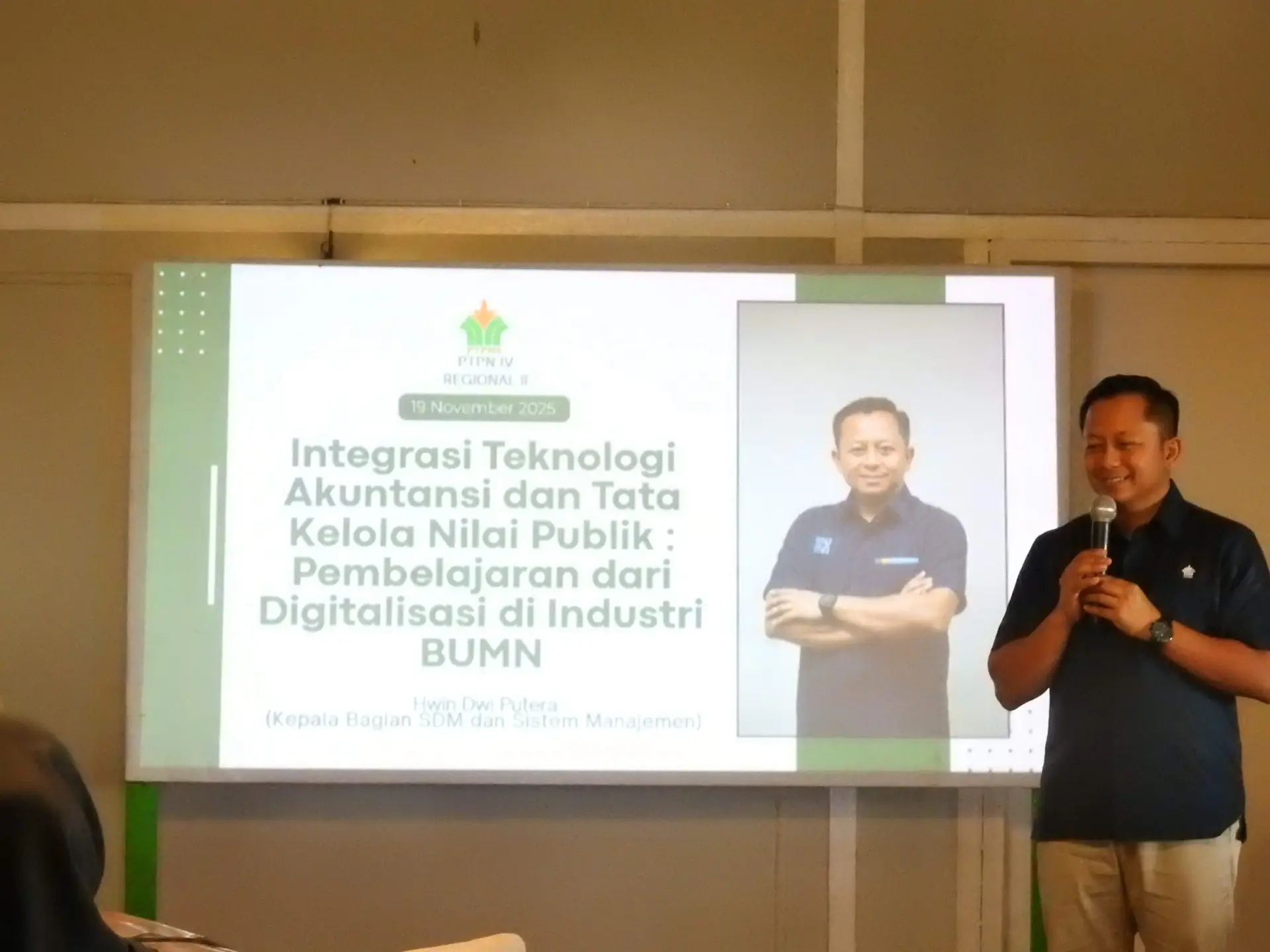
After the material session and a break, the event continued with a field trip to a tea processing factory. At this stage, students were introduced to the entire production process, from leaf picking, raw tea leaf processing, rolling, drying, packaging, and sorting. Each stage was explained in detail by technical staff so that students gained a clear understanding of the operational standards of the tea processing industry.
The students were enthusiastic and didn’t hesitate to take every opportunity to ask questions to PTPN IV. This enthusiasm didn’t wane throughout the activity. Even when the discussion had to be ended to save the time, some students still expressed a desire to ask further questions about business practices and production techniques at PTPN IV. PTPN IV also gave souvenirs in the form of factory-produced tea as a token of appreciation. Besides being a memento, these souvenirs also symbolized that the students had witnessed and learned about the processing directly.
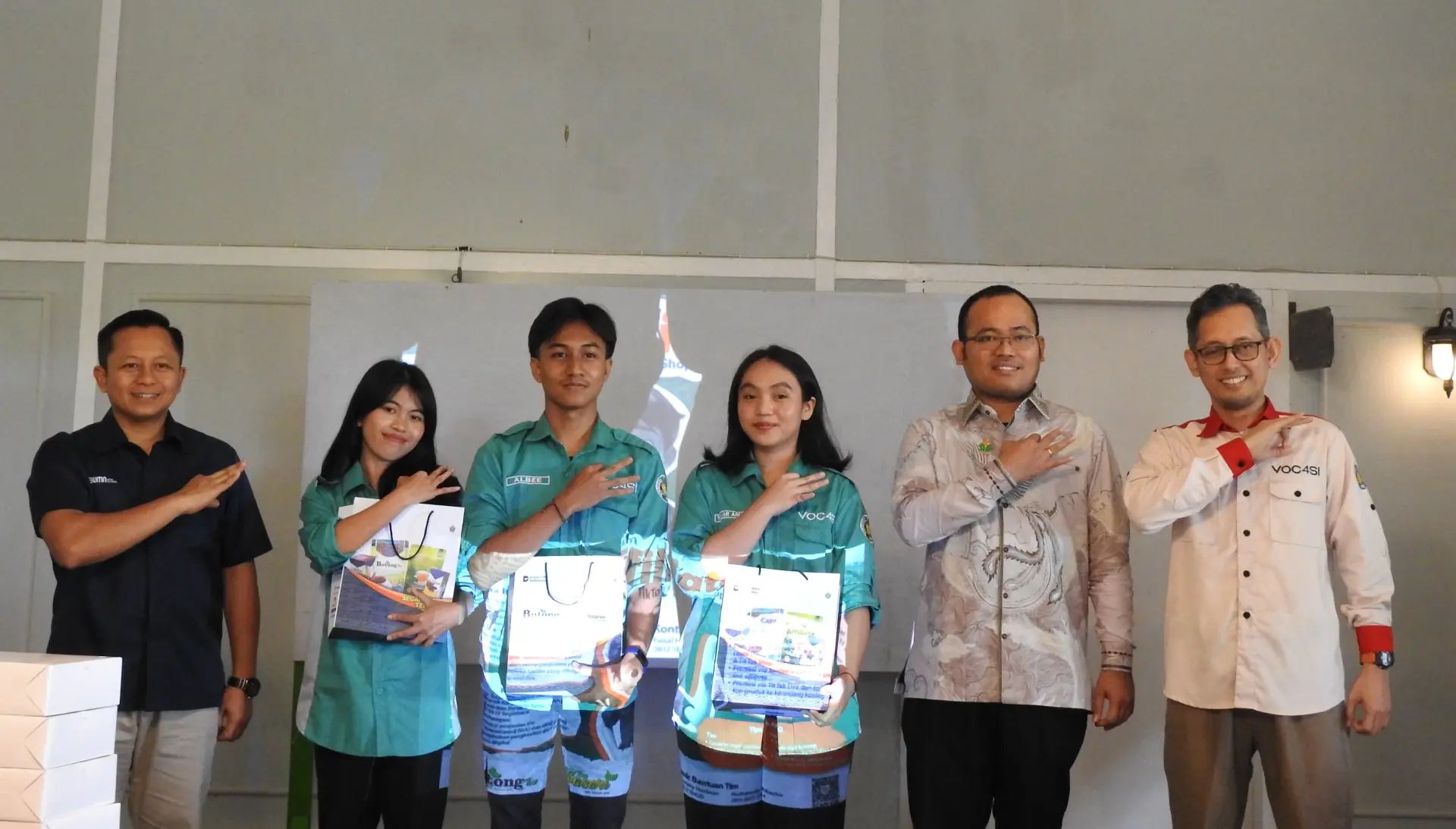
This activity demonstrates the commitment of the Applied Bachelor's Degree Program in Public Sector Accounting in providing contextual learning that combines theory and practice. Through field experiences like this, it’s hoped that students will be better prepared to enter the workforce, broaden their knowledge of industrial practices, and develop the analytical and adaptive skills needed to compete in the modern era. The Applied Bachelor's Degree Program in Public Sector Accounting will continue to strengthen collaboration with various industry partners in an effort to provide relevant, up-to-date, and impactful learning experiences. With this step, the program study is committed to producing vocational graduates who are SMART (Skilled, Mindful, Agile, Ready, and Trusted).