


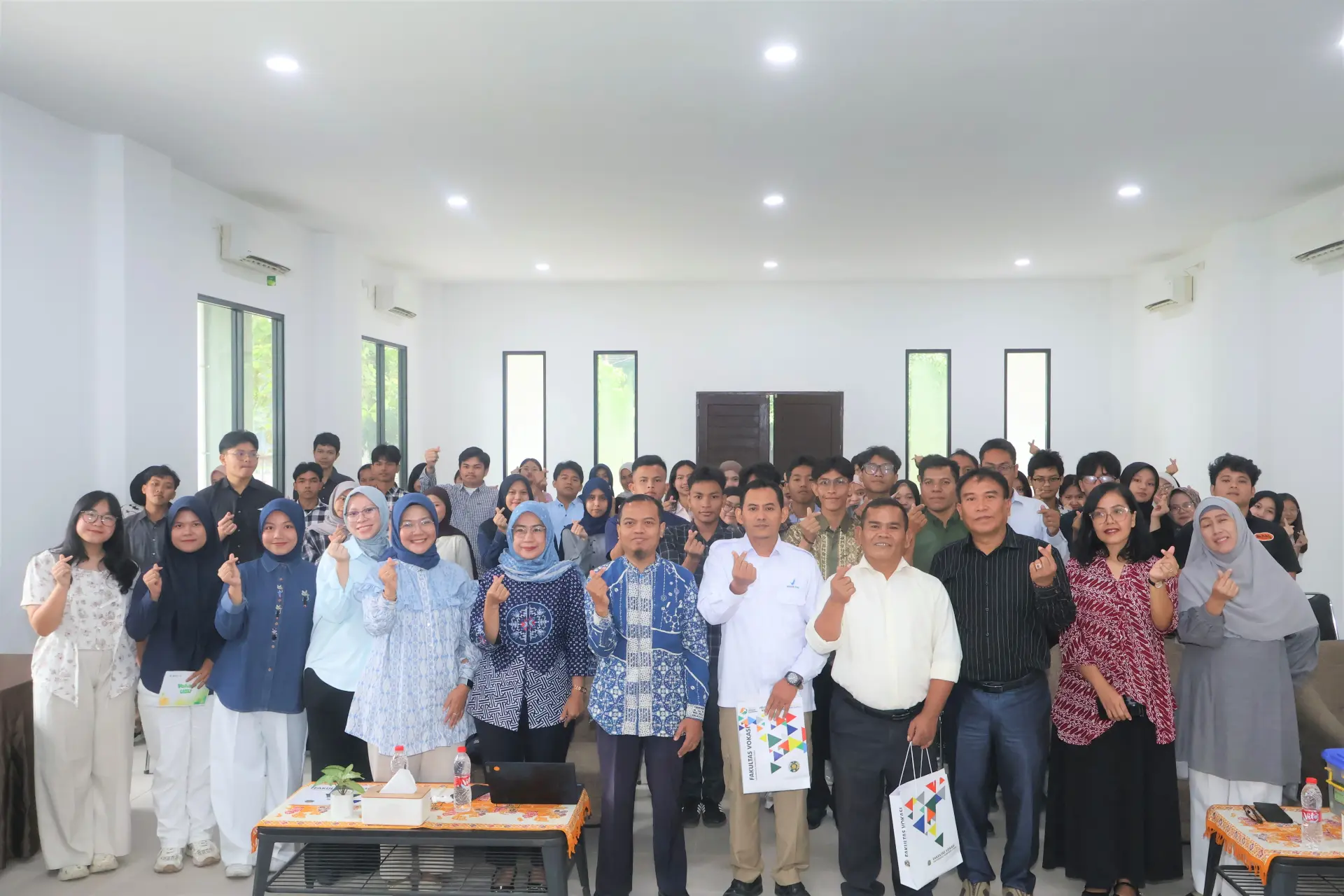
Medan – The Applied Bachelor's Degree Program in Applied Chemistry, Faculty of Vocational Education, Universitas Sumatera Utara (USU), hosted a workshop titled "Training and Production of Natural-Based Herbal Tea Innovations" on Wednesday, October 21, 2026, at the Faculty of Vocational Education Hall. The program aimed to enhance students' technical knowledge, practical skills, and creative capacity in turning local natural resources into commercially viable botanical products.
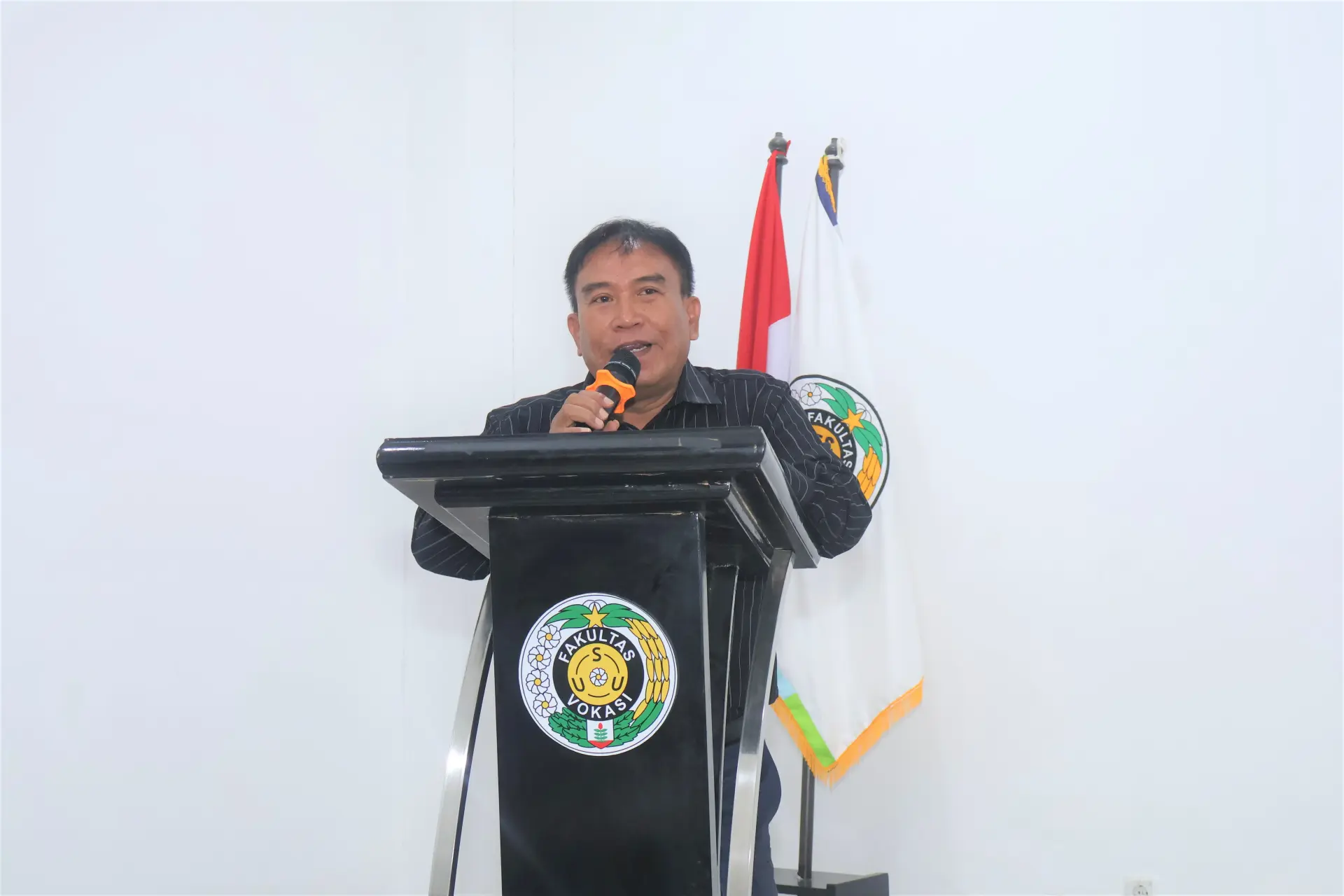
The event was attended by the Vice Dean for Research, Community Engagement, Partnerships, and Internationalization of the Faculty of Vocational Education USU, the Head of the Applied Bachelor's Degree Program in Applied Chemistry, academic staff, managers, and students, alongside external speakers from regulatory agencies and industry.
Opening remarks were delivered by the Vice Dean, who emphasized the importance of empowering students to apply classroom chemical principles toward marketable product development.
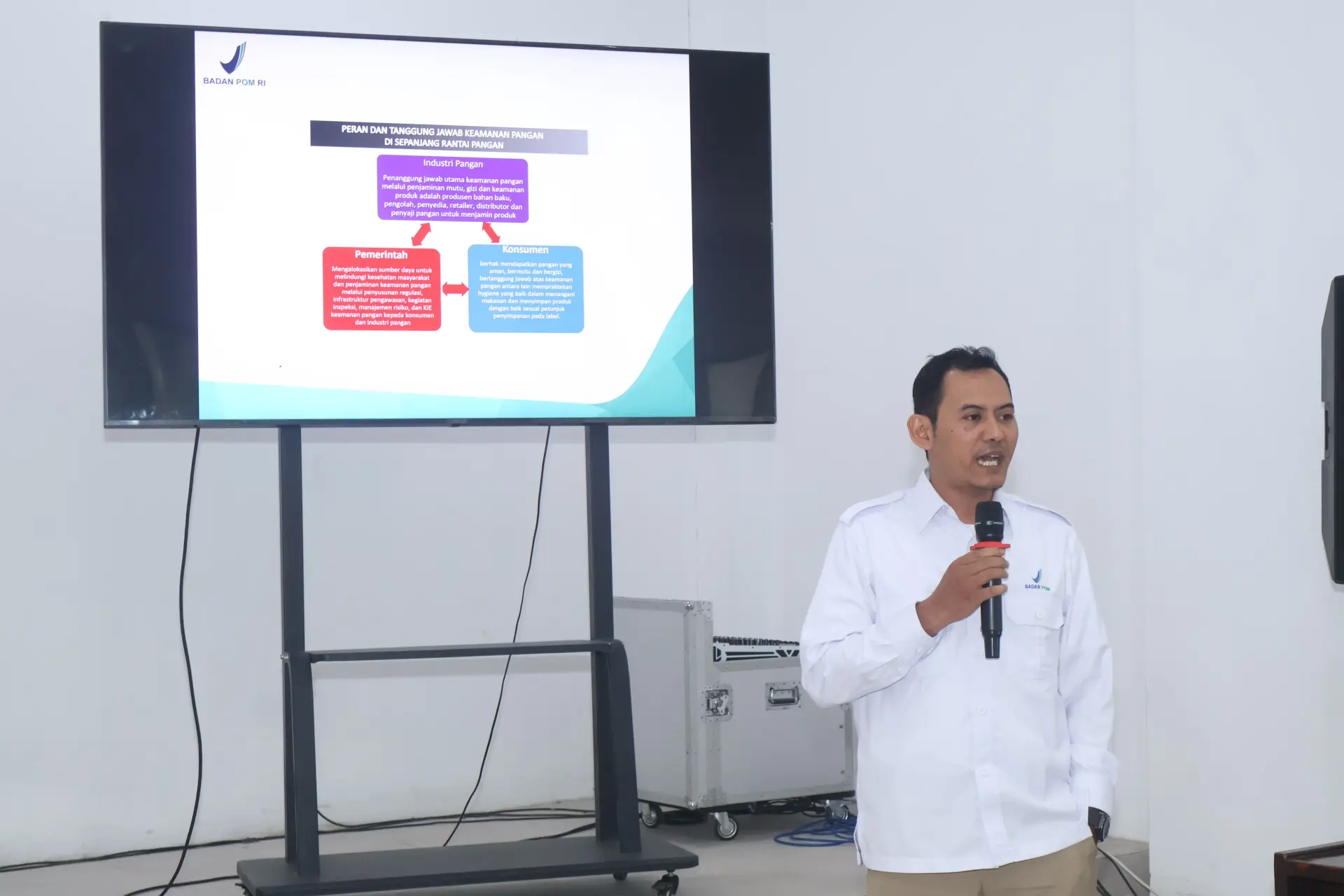
The keynote presentation was delivered by Tengku Awalludin, S.Farm., Apt., M.M., Junior Expert Pharmacy and Food Inspector at the Indonesian Food and Drug Authority (BPOM), presenting on "Opportunities and Challenges in Downstream Development of Natural Botanical Food Products." His talk detailed regulatory pathways, quality assurance, safety standards, and market entry requirements for natural food innovations.
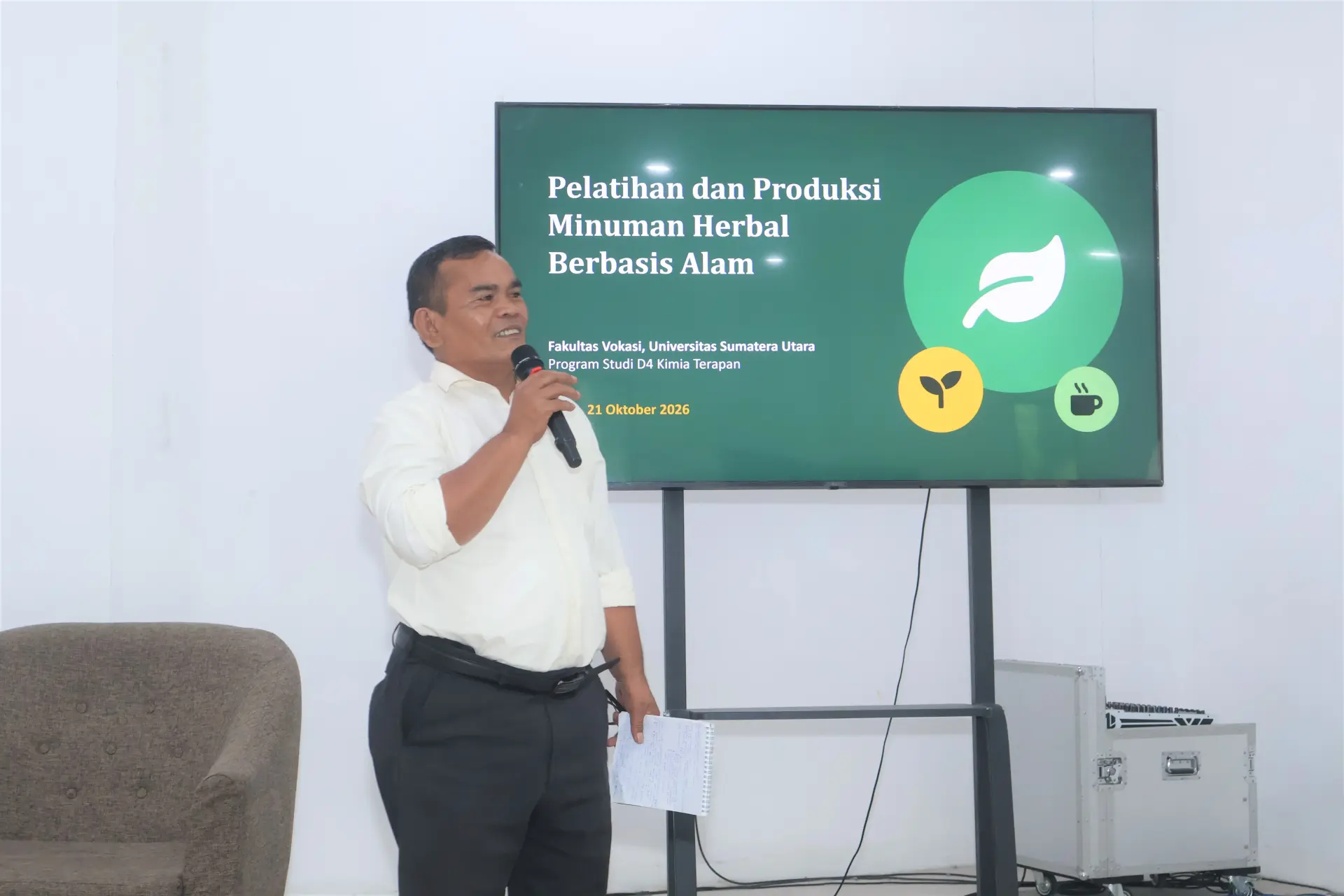
The practical session was conducted by Deviden Karo Kemit, Owner of CV Citra Karya Mandiri, presenting on "Training and Production of Natural-Based Herbal Beverages." Students gained hands-on insights into formulating and manufacturing scalable, competitive herbal tea products from local raw materials.
Through this training, the Applied Bachelor's Degree Program in Applied Chemistry reinforces its commitment to practical learning, bridging applied chemistry education with industry needs and commercial entrepreneurship.
This educational and entrepreneurial initiative directly aligns with Sustainable Development Goals SDG 3 (Good Health and Well-Being) by promoting health-oriented natural products, SDG 4 (Quality Education) through practical, industry-aligned vocational learning, SDG 8 (Decent Work and Economic Growth) by fostering student innovation and enterprise development, and SDG 17 (Partnerships for the Goals) through multi-stakeholder collaboration among higher education, regulatory bodies, and industry partners.