


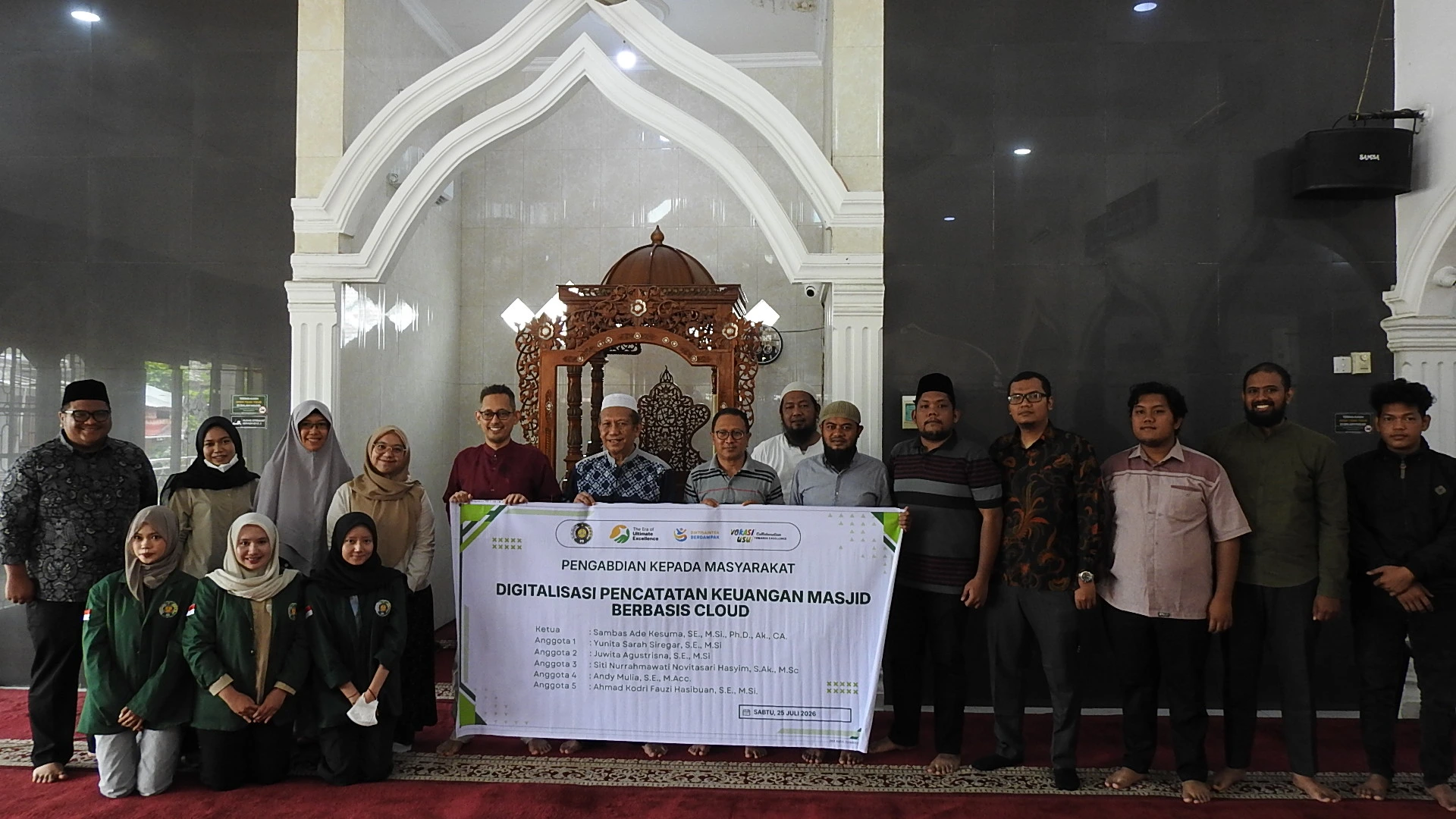
Medan, July 25, 2026 — The Applied Bachelor's Degree Program in Public Sector Accounting at the Faculty of Vocational Education, the Universitas Sumatera Utara (USU) conducted an Independent Community Service (PKM) activity at the Imanurrahman Mosque Management Board (BKM) through a program titled “Cloud-Based Digitization of Mosque Financial Record-Keeping as an Effort to Strengthen Accountable Financial Governance”. This activity aims to help mosque administrators improve the quality of administrative and financial management through the use of digital technology.
The PKM activity was prompted by a number of issues faced by the Imanurrahman BKM, including administrative and financial record-keeping that is still done manually and has not been standardized, low transparency and accountability in the management of mosque funds, and the board members’ limited digital competencies in supporting more modern organizational governance.
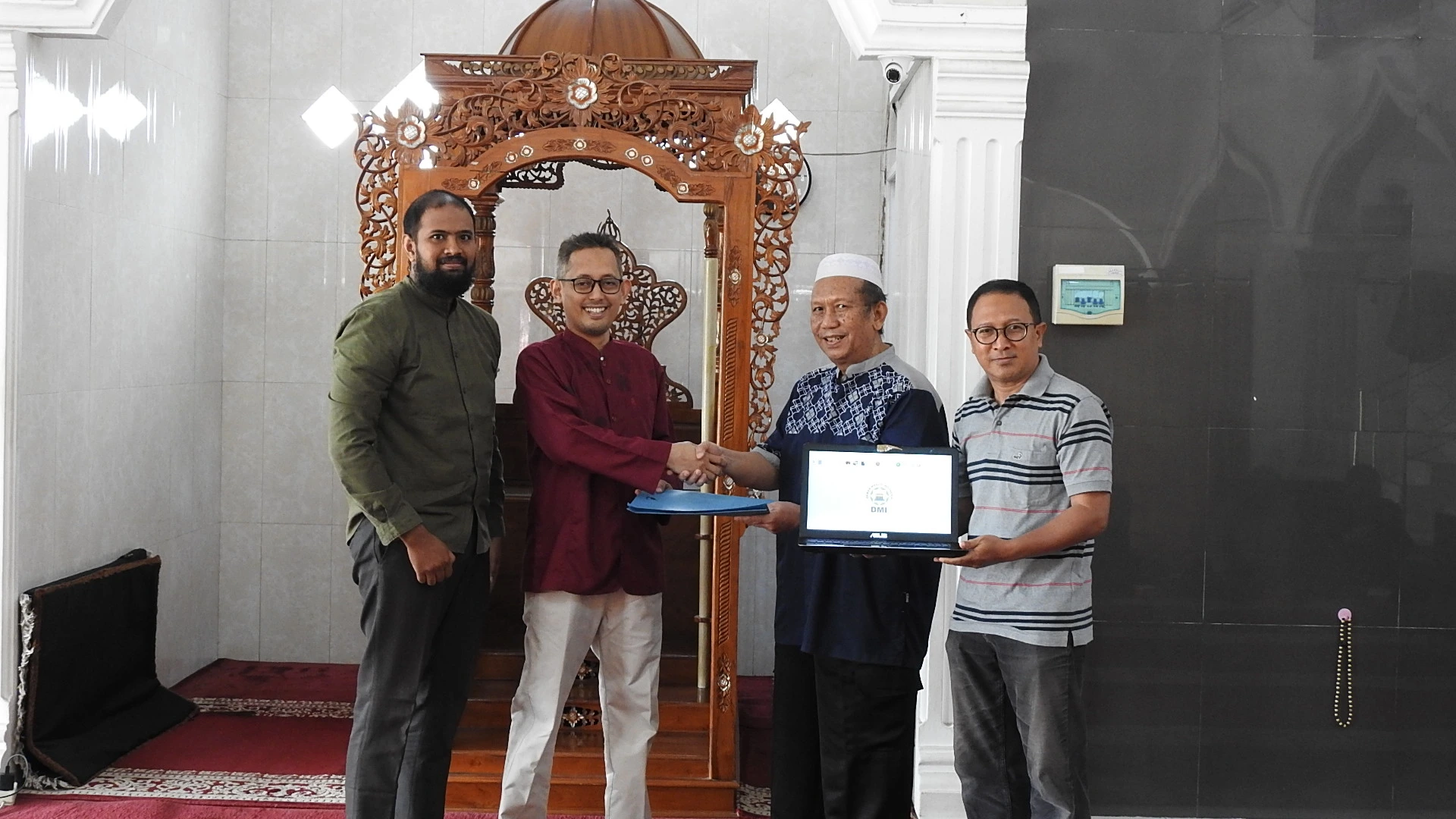
Through this activity, the PKM team—led by the Chair of the Applied Bachelor's Degree Program in Public Sector Accounting along with faculty members and students—introduced the Amanah Masjid Application, an information system designed to help mosque administrators manage administrative and financial affairs more effectively, efficiently, transparently, and accountably. The event consisted not only of an informational session but also included training, mentoring, and hands-on practice using the application so that participants could understand how to apply the system in their day-to-day financial management.
The Amanah Masjid app was developed based on the accounting cycle concept and is capable of automatically integrating processes ranging from transaction recording to the preparation of financial statements. This system is equipped with modules for account data management, recording cash receipts and disbursements, general journal entries, and the generation of various financial reports, such as the general ledger, trial balance, cash flow statement, activity report, and inventory report. With this system, the report preparation process becomes more efficient while minimizing the risk of recording errors that often occur in manual systems.
A lecturer in the Applied Bachelor's Degree Program in Public Sector Accounting, Andy Mulia, explained that the digitization of financial record-keeping is a crucial step in strengthening the governance of religious organizations. According to him, manual record-keeping still has various limitations, such as a high risk of human error, data loss, and the difficulty of tracing transaction histories. Meanwhile, a digital-based system allows authorized parties to access data more quickly, while also supporting transparency and accountability in the management of congregational funds.
“By introducing this system, we aim to help transform the financial record-keeping process—which was previously done manually—into one that is more organized, easily accessible, and capable of supporting transparency in financial management, both for the management and the congregation,” he said.
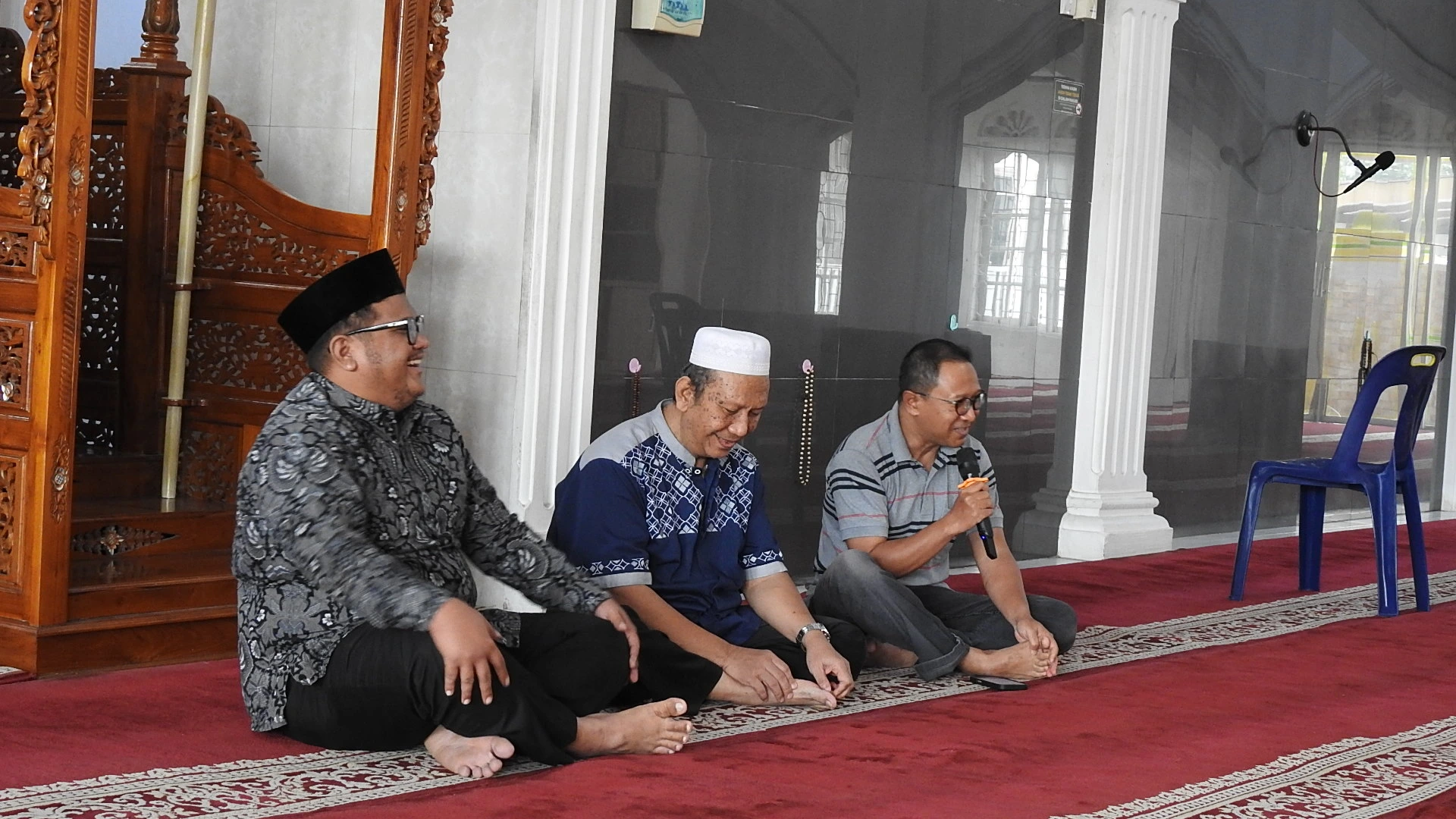
This activity received a positive response from BKM Chair Imanurrahman, Drs. Jumaidi AW., M.Si., Ak., along with the mosque’s management team. The participants’ enthusiasm was evident in their active engagement during the discussion sessions and hands-on practice with the app. One piece of feedback provided by the management was the need to develop an approval feature within the system to support internal control mechanisms in the mosque’s financial management.
Through the guidance provided, the BKM management has been able to put the application into practice as a first step toward the digitization of the mosque’s administrative and financial record-keeping. Additionally, the students involved in the activity served as system implementation mentors, ranging from helping the management understand the application’s workflow to ensuring a smooth transition from manual record-keeping to the digital system.
As outcomes of the activity, the PKM team produced appropriate technology in the form of the Amanah Masjid Application, mass media publications, a collaboration formalized in an Implementation Arrangement (IA), and a video documenting the activity published on YouTube.
Moving forward, the Applied Bachelor's Degree Program in Public Sector Accounting at the USU Faculty of Vocational Education will continue to provide support through system development tailored to the partners’ needs, including enhancements to features required by mosque administrators, advanced training, and post-implementation support. Through ongoing collaboration, the program hopes that the digitization of mosque financial management will not only improve administrative efficiency but also strengthen transparency, accountability, and good organizational governance in the management of congregational funds.