


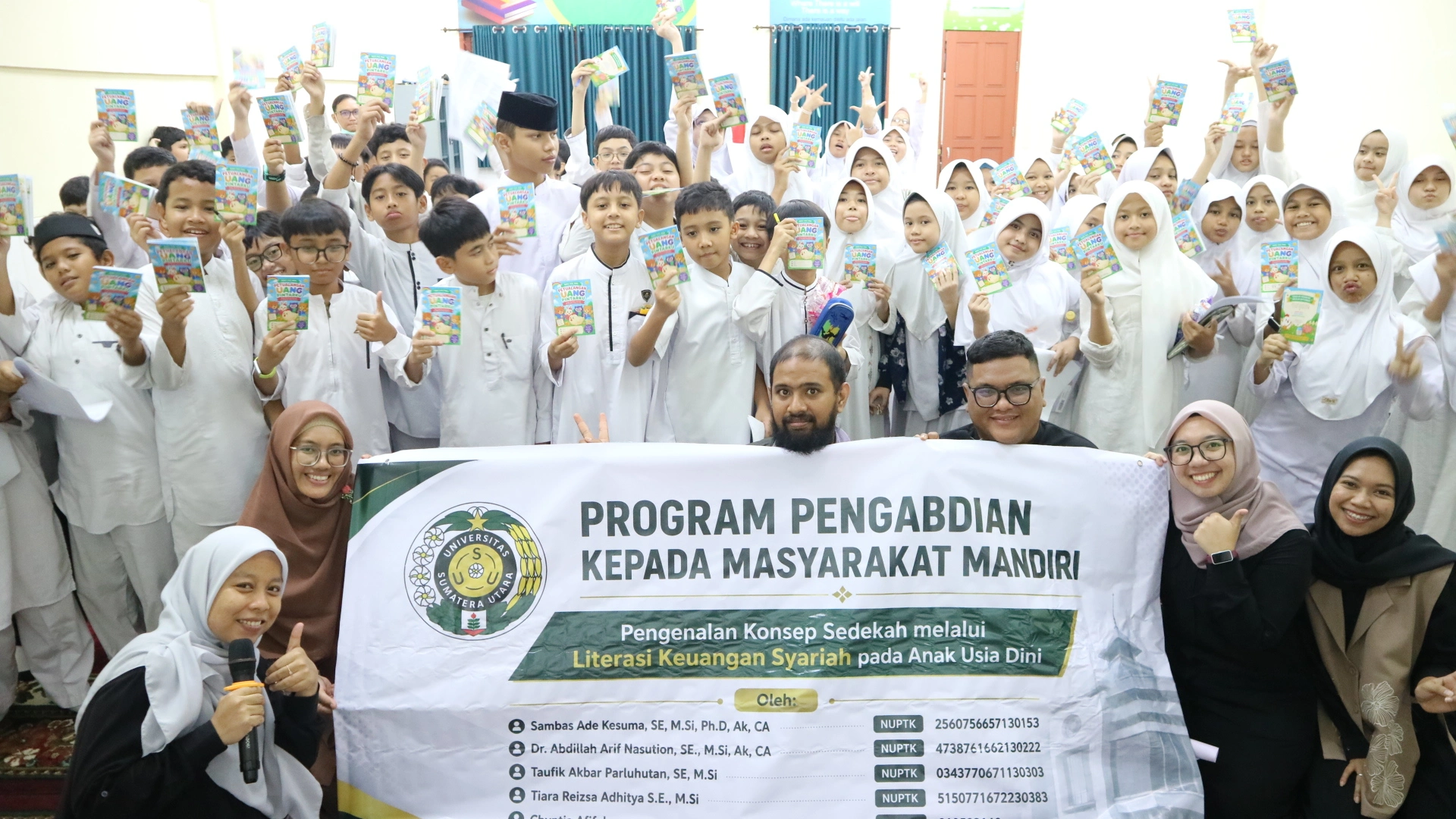
Medan, July 30, 2026 – The Applied Bachelor's Degree Program in Public Sector Accounting at the Faculty of Vocational Education of the Universitas Sumatera Utara (USU) conducted an Independent Community Service (PKM) activity at SDIT Al Musabbihin through a program titled “Implementation of the Sharia Mini Cash Book to Teach Pocket Money Management to Students at SDIT Al Musabbihin”. This activity aims to foster financial literacy from an early age while introducing the values of Sharia-based financial management to elementary school students through practical and interactive learning tools.
SDIT Al Musabbihin was selected as the PKM partner because it is a relatively new school with a need for financial literacy education for its students. Additionally, this activity is part of the ongoing collaboration between the Applied Bachelor's Degree Program in Public Sector Accounting and the school to support the strengthening of character education and life skills for students.
The activity targeted sixth-grade students at SDIT Al Musabbihin, who were deemed to have begun to understand the basic concepts of financial management. The PKM implementation was supported by two homeroom teachers who played an active role throughout the learning process. The PKM team presented material on the importance of financial literacy from an early age, followed by an introduction to the concept of charity as part of responsible financial management in accordance with Sharia values.
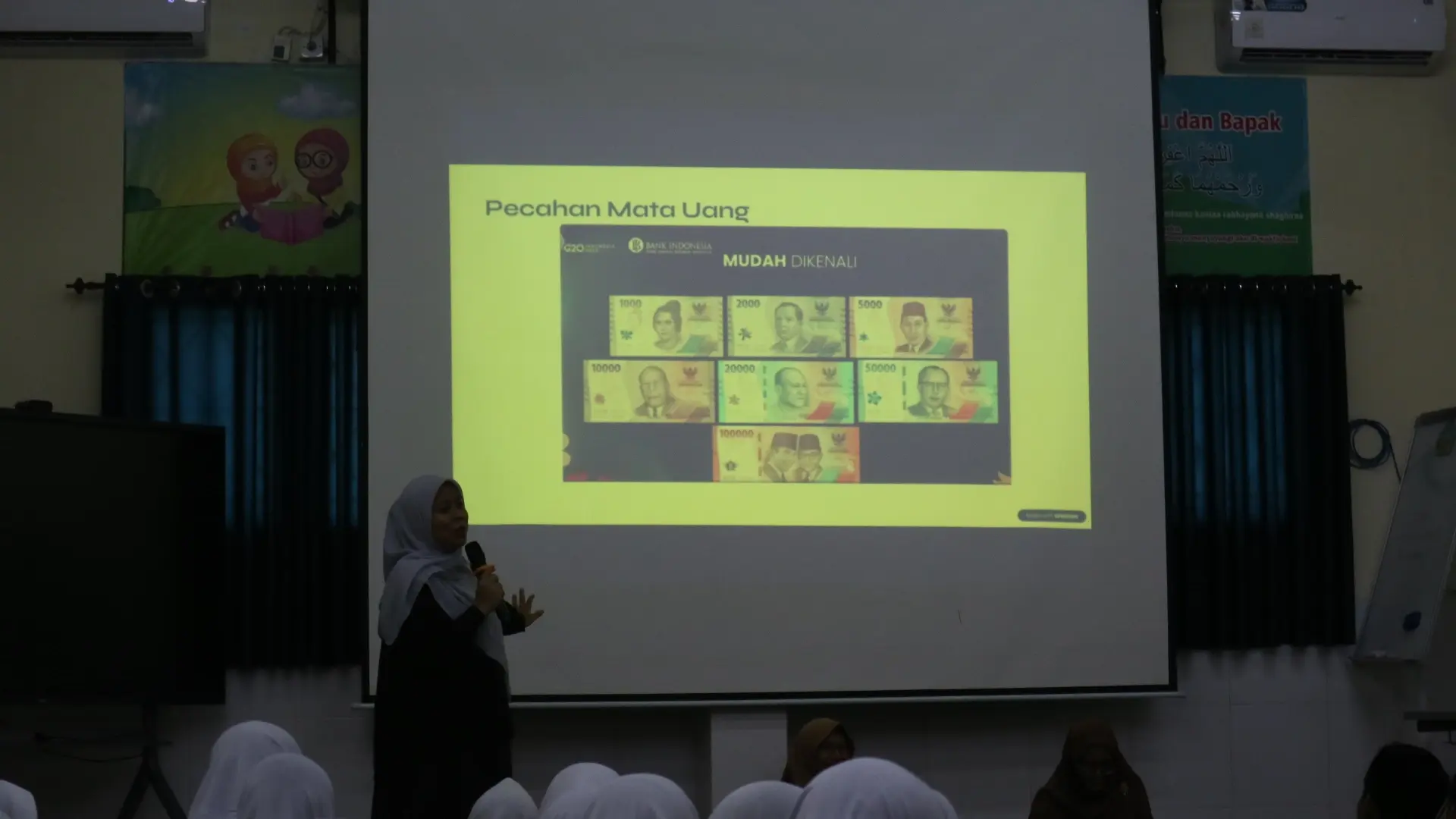
The Sharia-based approach was chosen because it aligns with the character of SDIT Al Musabbihin as an Islamic school. In addition to teaching the importance of saving and recording simple transactions, students are also introduced to the value of sharing through charity as part of character building. Thus, participants not only learn to manage money for personal purposes but also understand the importance of setting aside a portion of their income to help others.
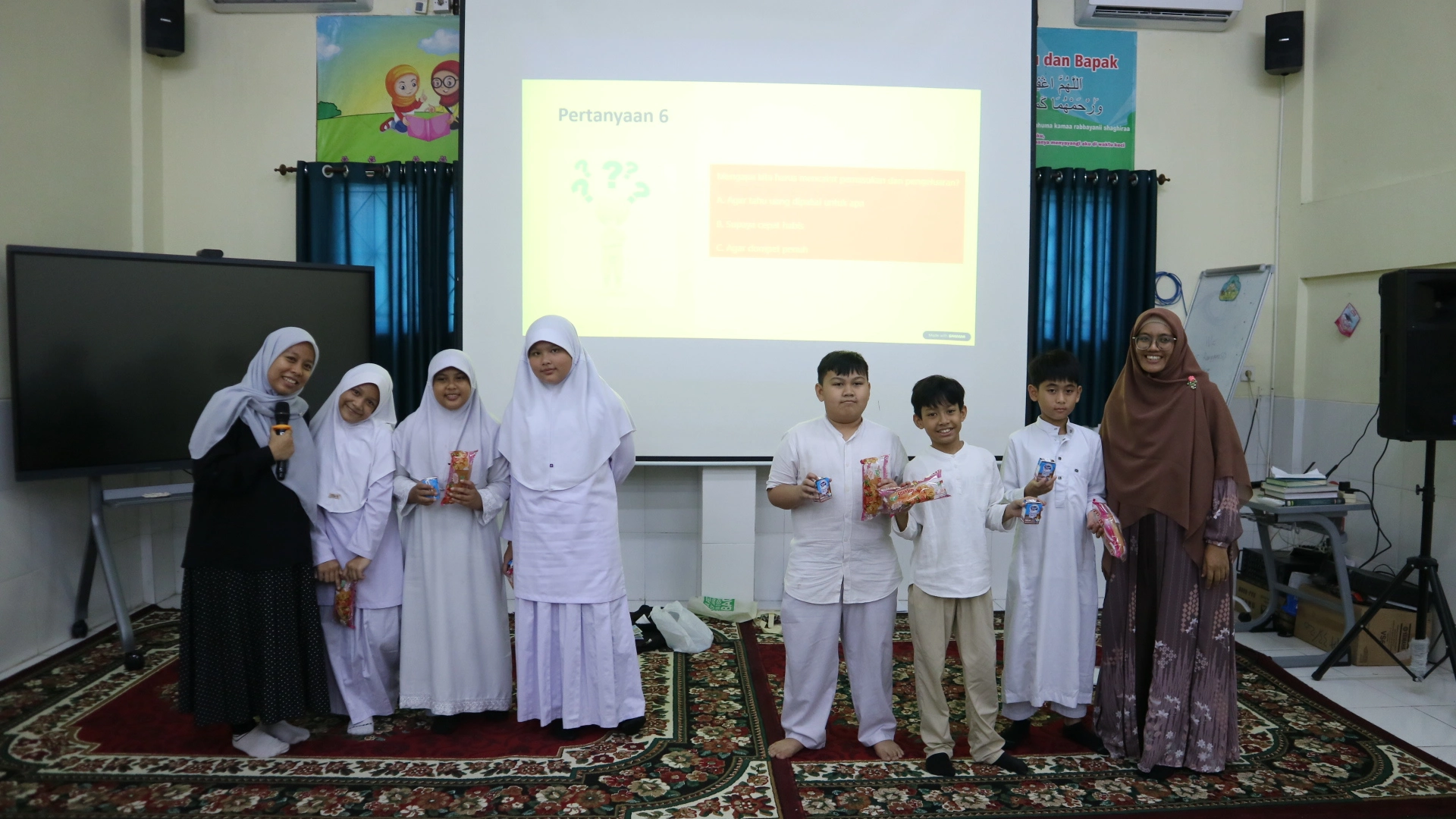
To create an enjoyable learning environment, the activities were designed to be interactive through the presentation of material, an icebreaker in the form of the “Financial Literacy Clap Exercise,” practice using the Mini Cash Book, as well as educational games and quizzes. During the practical session, students were guided through filling out their personal information, setting savings goals, learning how to record simple transactions, and participating in the “30-Day Savings Challenge” program, which is designed to build consistent savings habits.
As a learning aid, each participant received a “My Smart Money Adventure” Mini Cash Book, which they can use independently after the activity ends. The book is designed as a simple tool to help students get into the habit of recording income and expenses, setting savings goals, and tracking the progress of their savings habits in daily life.
Through this activity, the Applied Bachelor's Degree Program in Public Sector Accounting hopes that financial literacy will not only be understood as knowledge but will also become a habit practiced from an early age. The program is also committed to promoting the sustainability of these activities through monitoring the implementation of the “30-Day Savings Challenge,” ongoing guidance, and the development of similar educational models in other schools. Thus, the implementation of the Mini Cash Book is expected to make a tangible contribution to shaping a generation that is financially literate, of good character, and socially conscious from an early age.