


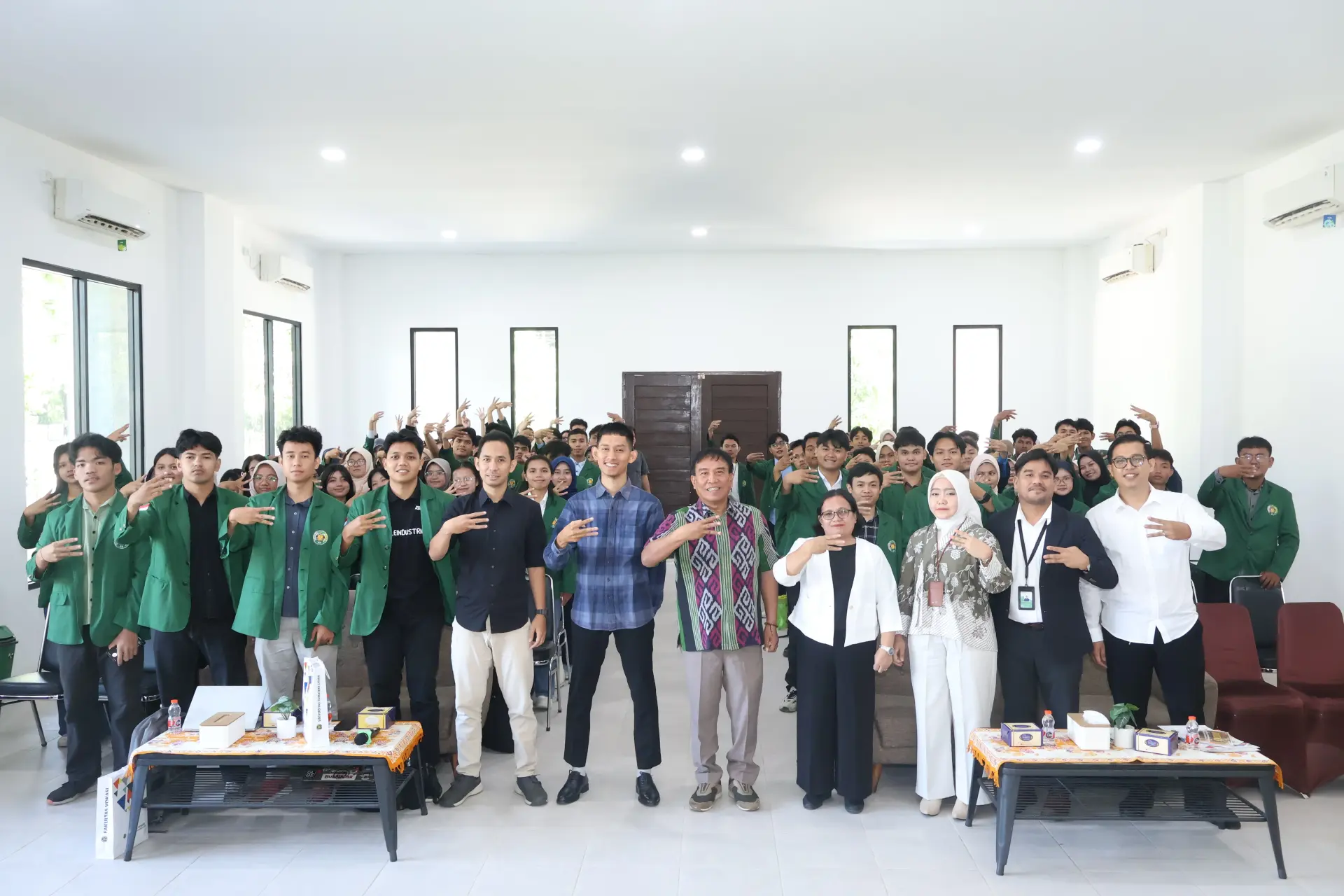
Medan, September 28, 2026 – The Applied Bachelor's Degree Program in Statistics, Faculty of Vocational Education, Universitas Sumatera Utara (USU), organized a Guest Lecture entitled “Population Data Visualization to Support Data-Driven Decision-Making” on Monday, September 28, 2026, at the Hall of the Faculty of Vocational Education, USU. This activity represented a collaboration between the Applied Bachelor's Degree Program in Statistics, AWS Community Builder, and Esco Life Sciences to broaden students' insights into the utilization of data and information technology in the industrial sector.
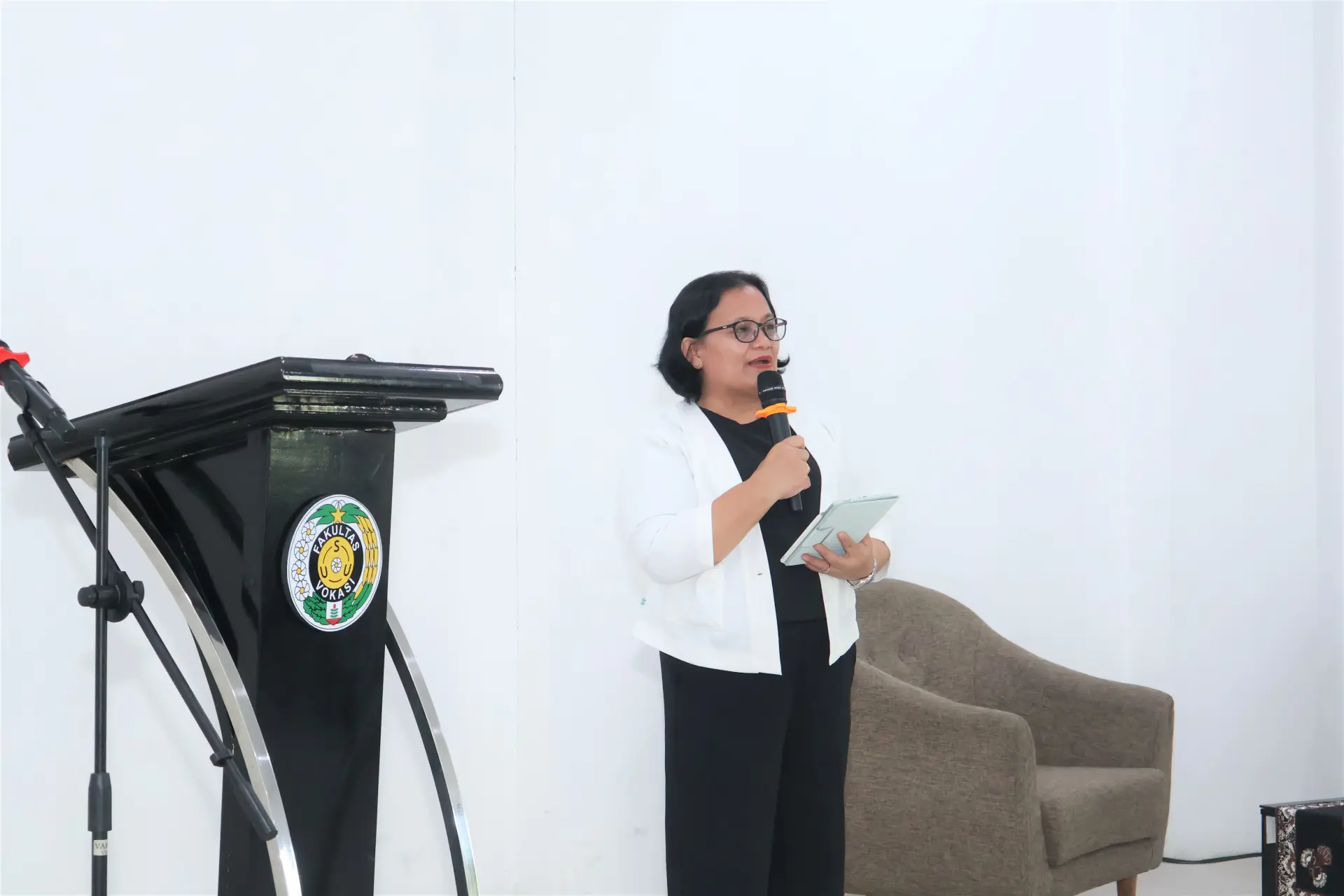
The activity was attended by the Vice Dean for Research, Community Service, Cooperation, and Internationalization of the Faculty of Vocational Education USU, the Head of the Applied Bachelor's Degree Program in Statistics, lecturers, and students of the Faculty of Vocational Education USU.
The guest lecture began with remarks from the Head of the Applied Bachelor's Degree Program in Statistics, Asima Manurung, S.Si., M.Si. In her remarks, she expressed appreciation for the organization of the guest lecture as a platform for students to gain insights and direct experience from industry practitioners. She hoped that the activity would broaden students' understanding of data management, analysis, and utilization while improving their readiness to meet the increasingly data-driven demands of the workforce.
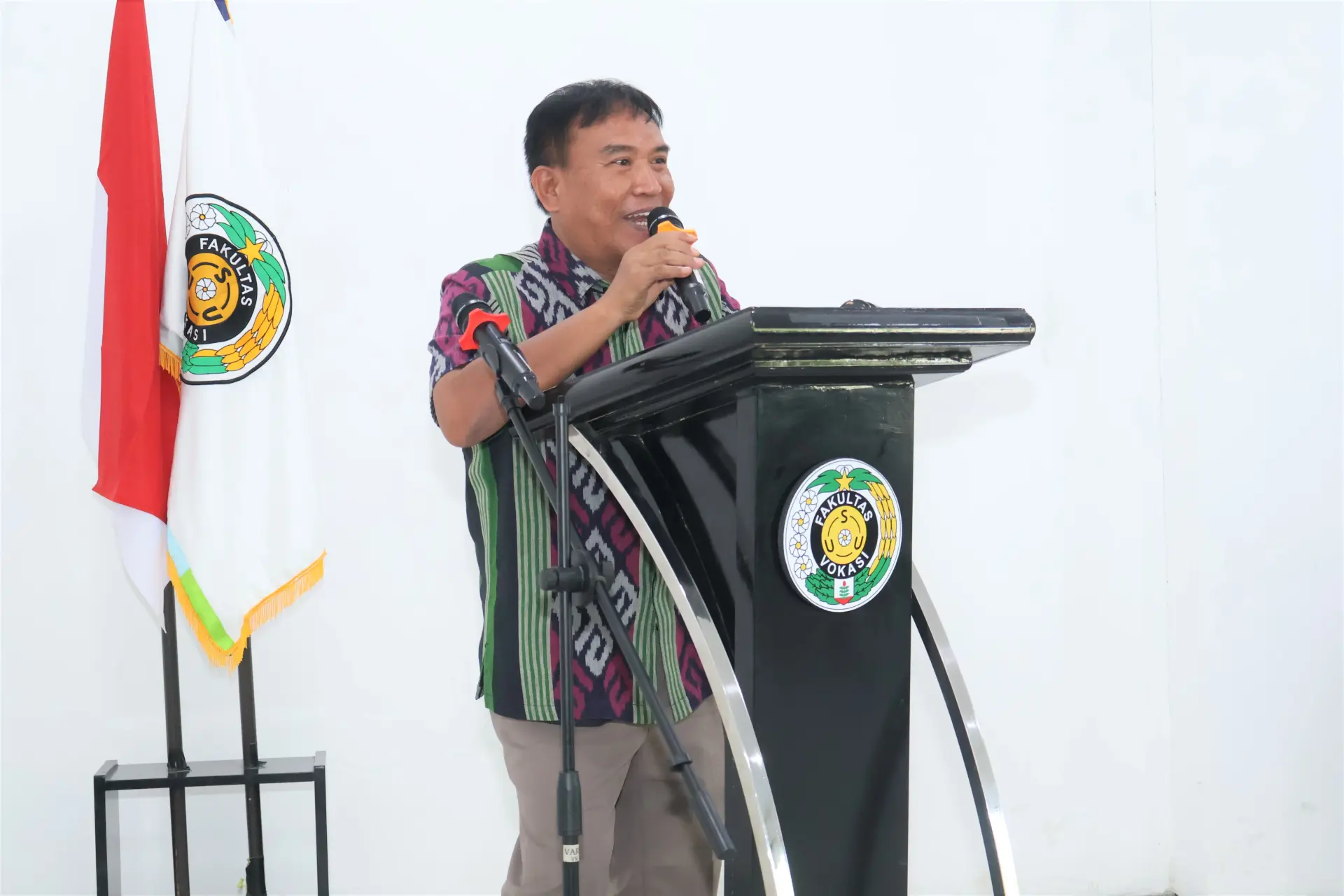
Meanwhile, the Vice Dean for Research, Community Service, Cooperation, and Internationalization, Junedi Ginting, S.Si., M.Si., stated that collaboration with AWS Community Builder and Esco Life Sciences was a positive step toward strengthening the connection between education and industry. He hoped that the partnership could continue to be developed through various activities that benefit students, lecturers, and institutions, particularly in developing competencies in data and technology.
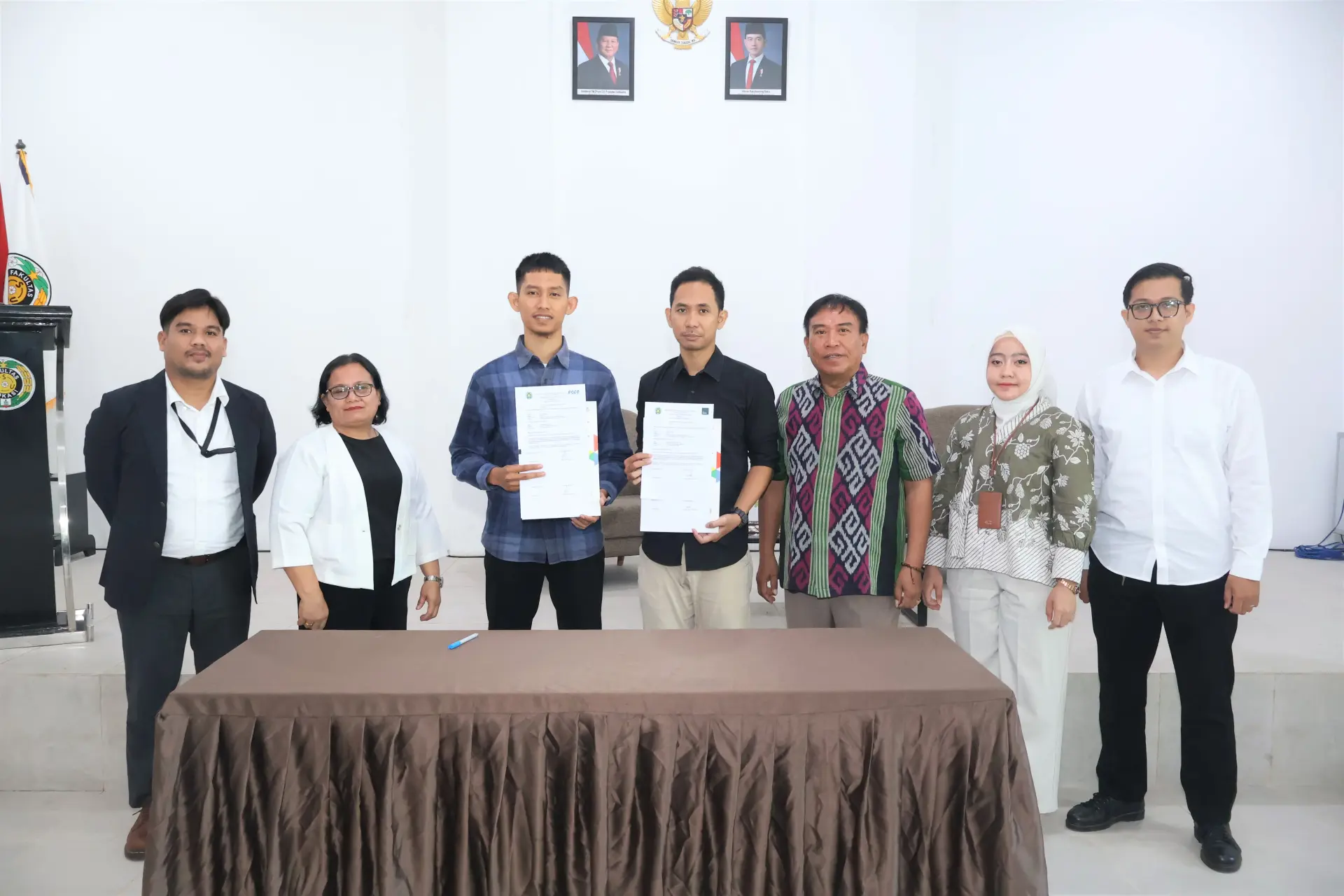
One of the key activities was the signing of an Implementation Agreement (IA) between the Faculty of Vocational Education USU, AWS Community Builder, and Esco Life Sciences. The signing was part of efforts to strengthen collaboration between higher education institutions and industry partners, particularly in supporting the development of student competencies in statistics, data, and technology.
Following the signing of the IA, the activity continued with a presentation by Lintang Gilang Pratama, S.Si., as a Talend AWS Community Builder, entitled “Ready to Explore Data Governance in Industry and Its Relevance to the Department of Population and Civil Registration? Learning from Real Cases in Banking, Manufacturing, Marketplaces, and Healthcare.”
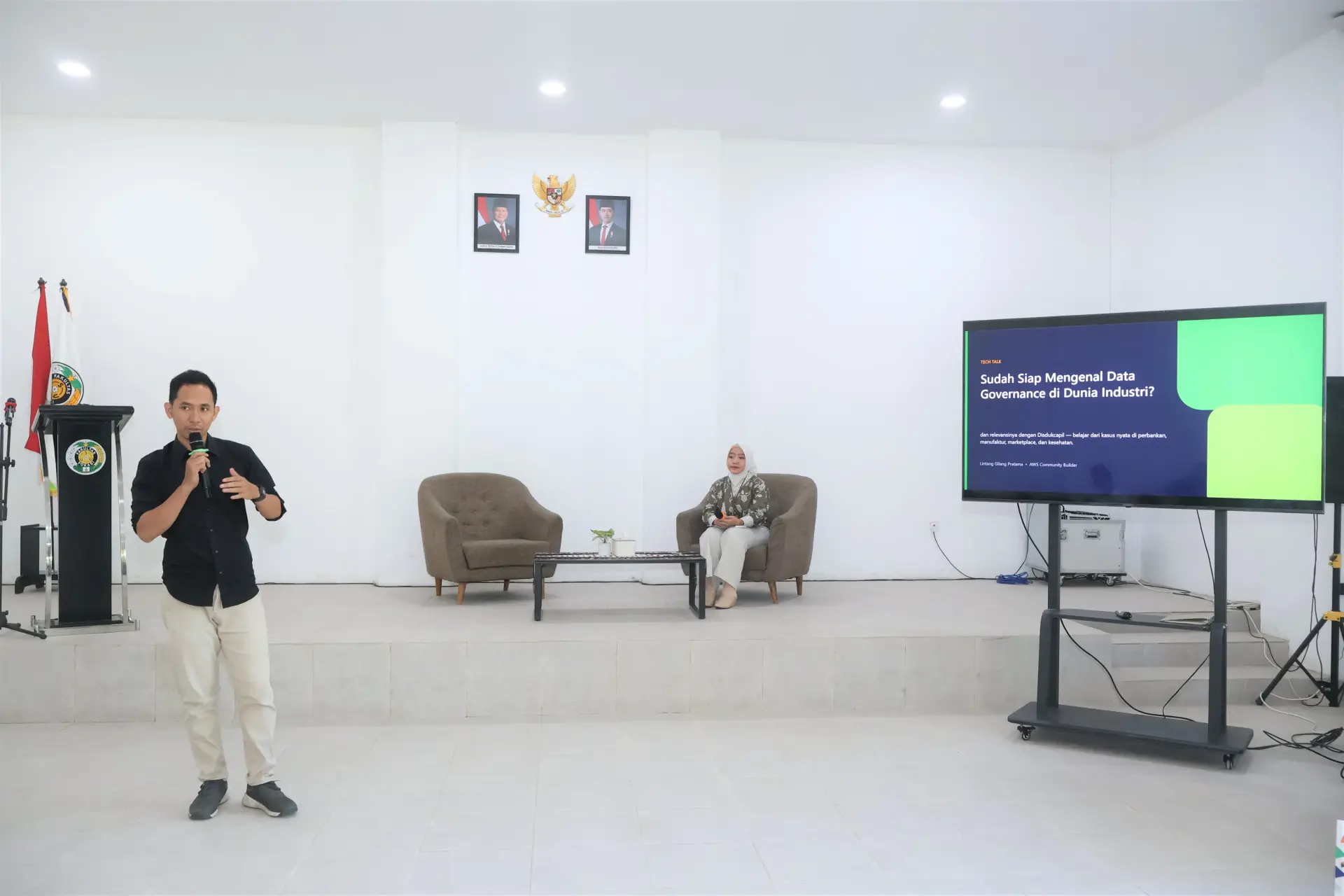
In his presentation, participants were invited to understand the importance of data governance in ensuring that data is managed properly, systematically, securely, and accountably. The discussion also explored various applications of data governance in industry and its relevance to population data management.
The next presentation was delivered by Ibnu Habibie, S.Kom., as a Business Intelligence Analyst at Esco Life Sciences, entitled “Business Intelligence to Support Decision-Making Using Population Data.” The presentation discussed how data can be processed and visualized into more easily understood information to support data analysis and data-driven decision-making.
Through this activity, students of the Applied Bachelor's Degree Program in Statistics had the opportunity to broaden their understanding of the application of statistics and data management in real-world industrial contexts. The collaboration with AWS Community Builder and Esco Life Sciences is also expected to provide practical experience and strengthen the connection between academic learning and workforce needs.
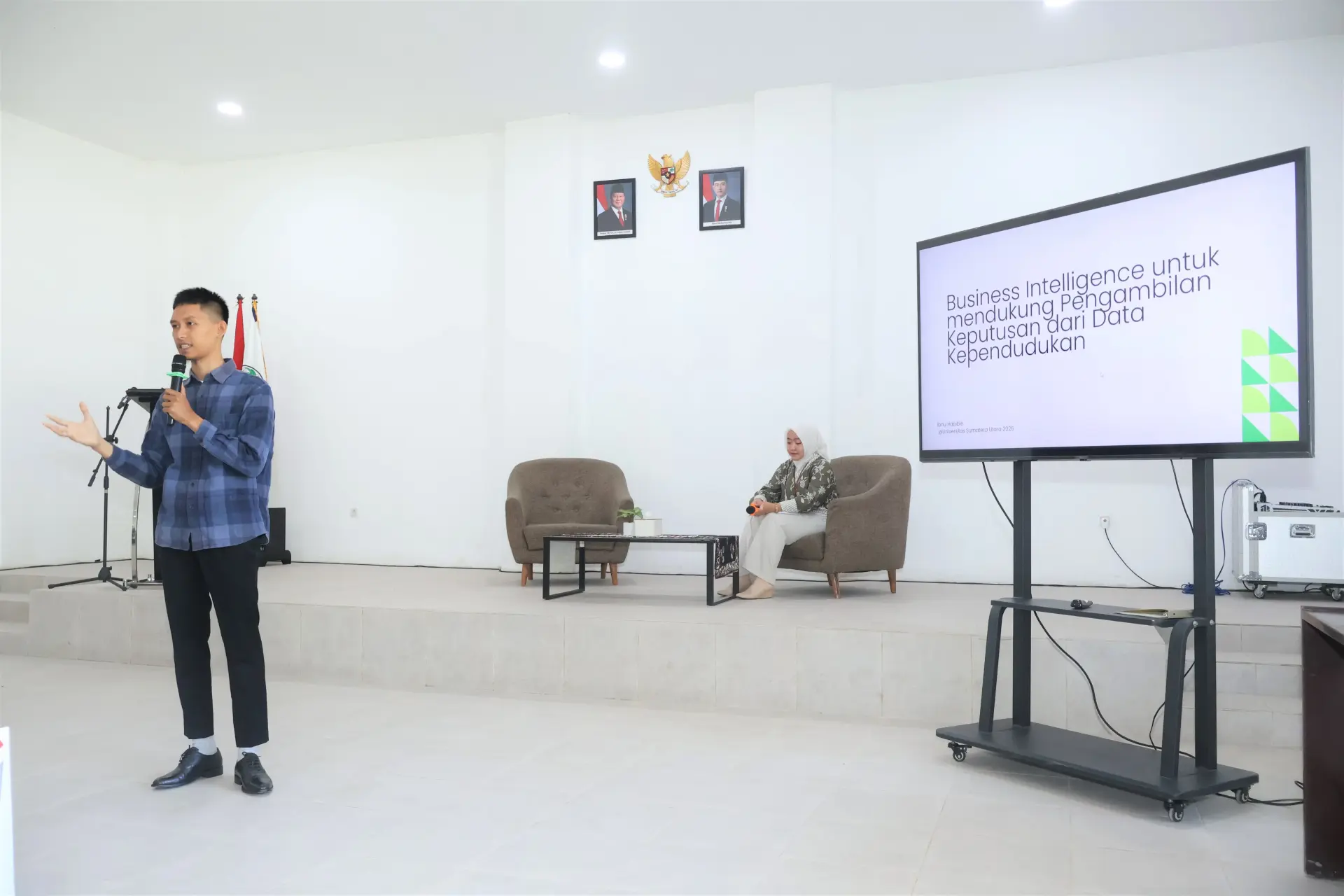
This guest lecture is one of the initiatives of the Applied Bachelor's Degree Program in Statistics, Faculty of Vocational Education USU, to encourage students to develop not only analytical skills but also an understanding of data governance, processing, visualization, and utilization as a foundation for producing accurate and evidence-based decisions.
