


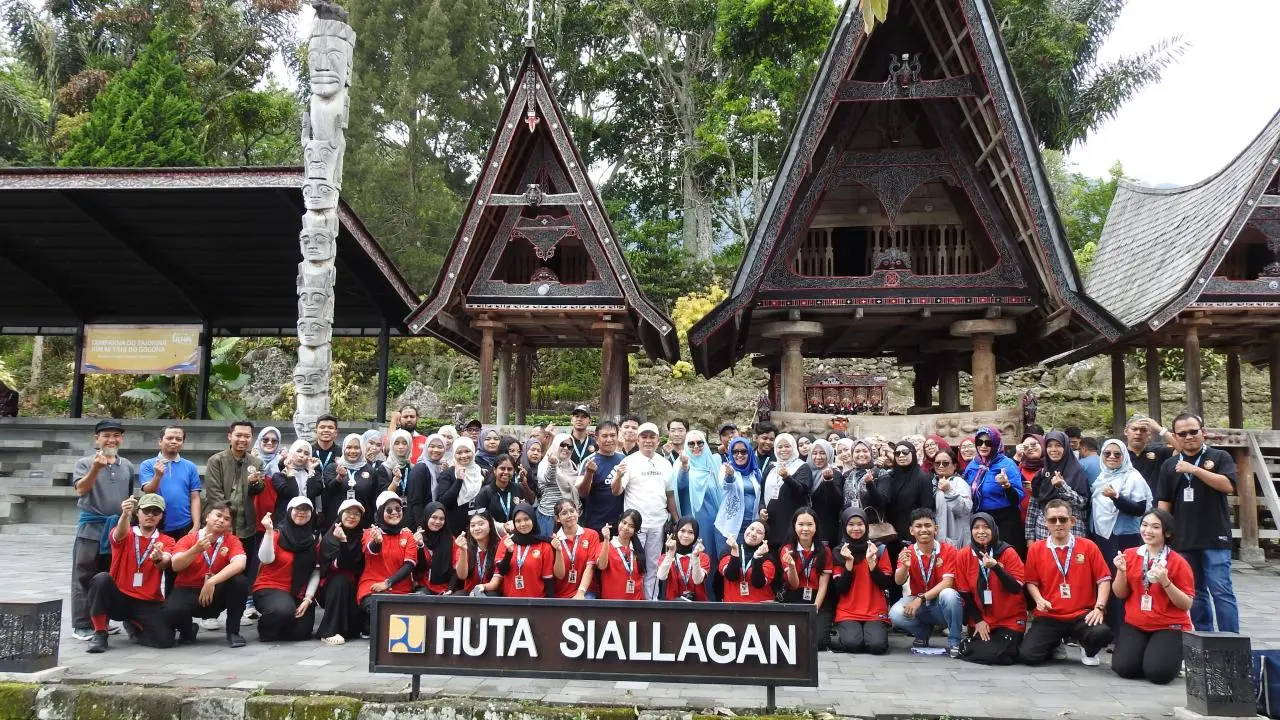
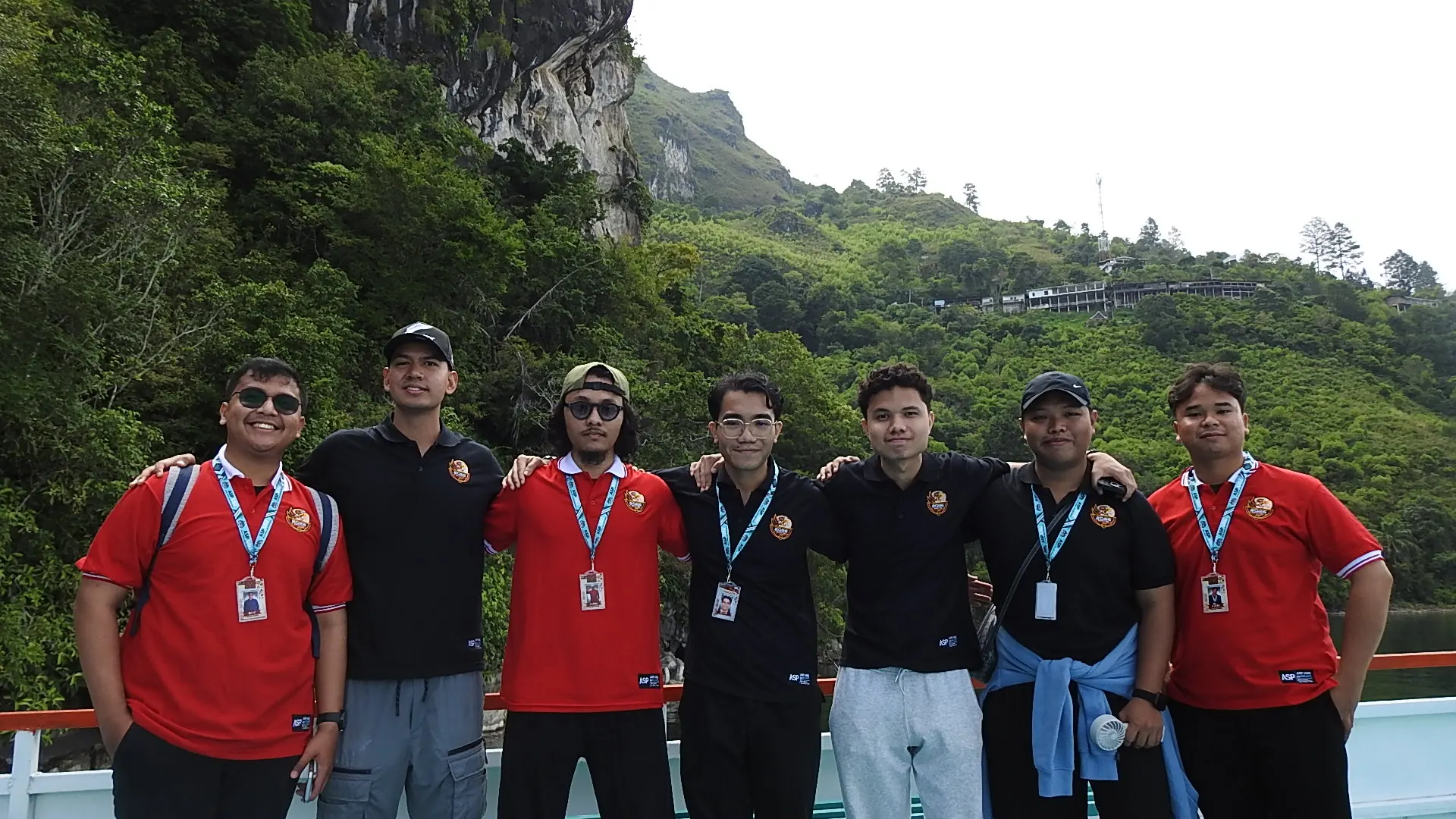
Samosir, September 24, 2026 — The experience of getting to know North Sumatra continued as the Malaysian students and faculty crossed Lake Toba to Samosir Island on Thursday morning. This journey offered the delegates an opportunity to witness the natural beauty of Lake Toba while also learning about the local wisdom of the Batak Toba community at Huta Siallagan.
From the moment they headed to the harbor, the delegates were enthusiastic about enjoying the panorama of Lake Toba. The vast expanse of water was a sight not to be missed. The delegates captured their journey through photos and videos from the boat. Before continuing their journey to Samosir Island, the boat made a pit stop at Batu Gantung. The delegates listened attentively to explanations about the location while capturing moments against the backdrop of Lake Toba.
Upon arriving at Huta Siallagan, the delegates were then introduced to various cultural elements of the Batak Toba community. One of them is the traditional house, which is an important part of the area. The guide explained that the traditional house is built using strong wood without nails, instead using a system of pegs and binding ropes made of palm fiber.
The delegates were also given an explanation about the three distinctive colors used in Batak Toba culture: red, black, and white. Each color has symbolic meanings, representing bravery, authority, and purity, respectively.
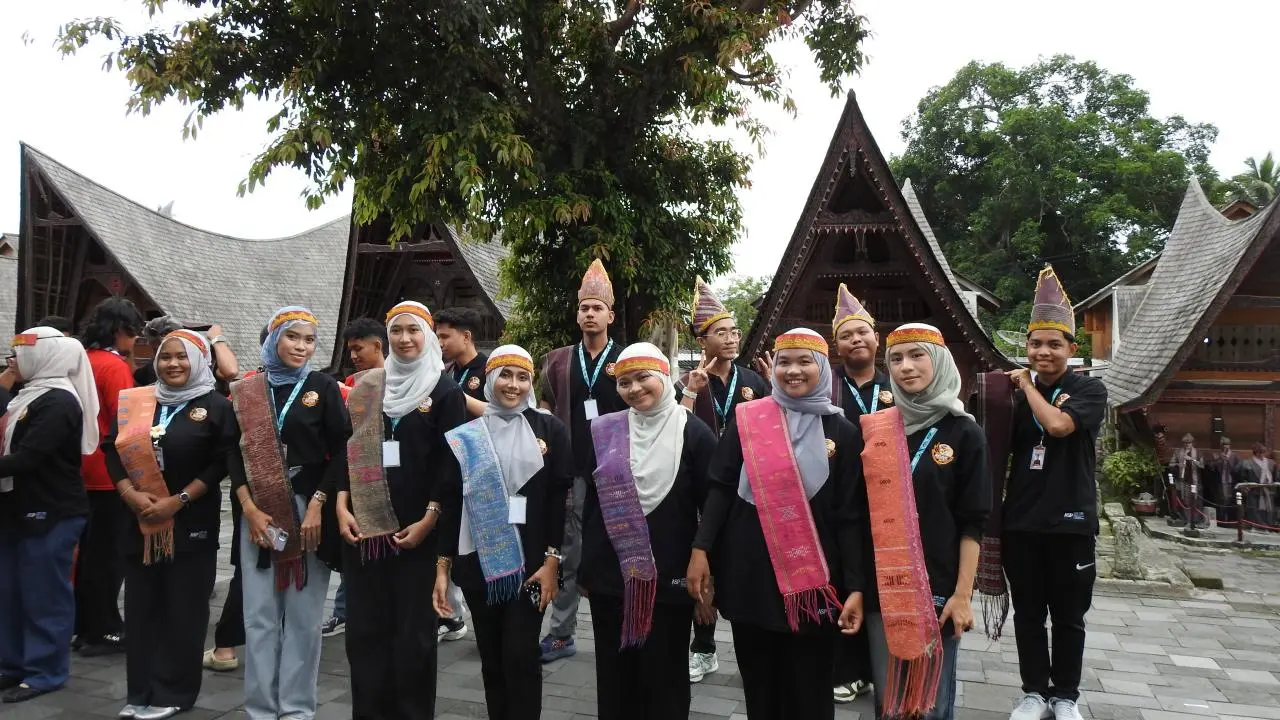
The cultural experience became even more exciting as the delegates were introduced to Si Gale-Gale, a traditional Batak Toba wooden puppet displayed through a cultural attraction with movements resembling the manortor dance, accompanied by traditional music. Not only were they spectators, but the delegates also had the opportunity to learn the movements of the traditional dance. While wearing Batak ulos, they participated in the manortor dance movements in an interactive and enthusiastic atmosphere.
In addition to learning about the arts, the delegates gained an understanding of the deliberation process and customary justice in Huta Siallagan. The guide's explanation of these traditional practices was well received by the delegates, who seemed eager to follow the stories about the life of the Batak Toba people in the past.
This experience provided a broader perspective that cultural introduction is not only related to art or traditional symbols but also encompasses values, ways of life, and the mechanisms of society in making decisions and resolving issues.
After exploring the Huta Siallagan area, the delegates' journey continued with a visit to several MSME actors in the surrounding area. A variety of local products were offered, ranging from keychains, bracelets, souvenir magnets, knitted bags, to various other handicrafts.
Some products, such as batik-patterned clothing and skirts made by local MSME actors, also caught the delegates' attention. They appeared enthusiastic about seeing the various souvenir options available and interacting directly with the entrepreneurs.
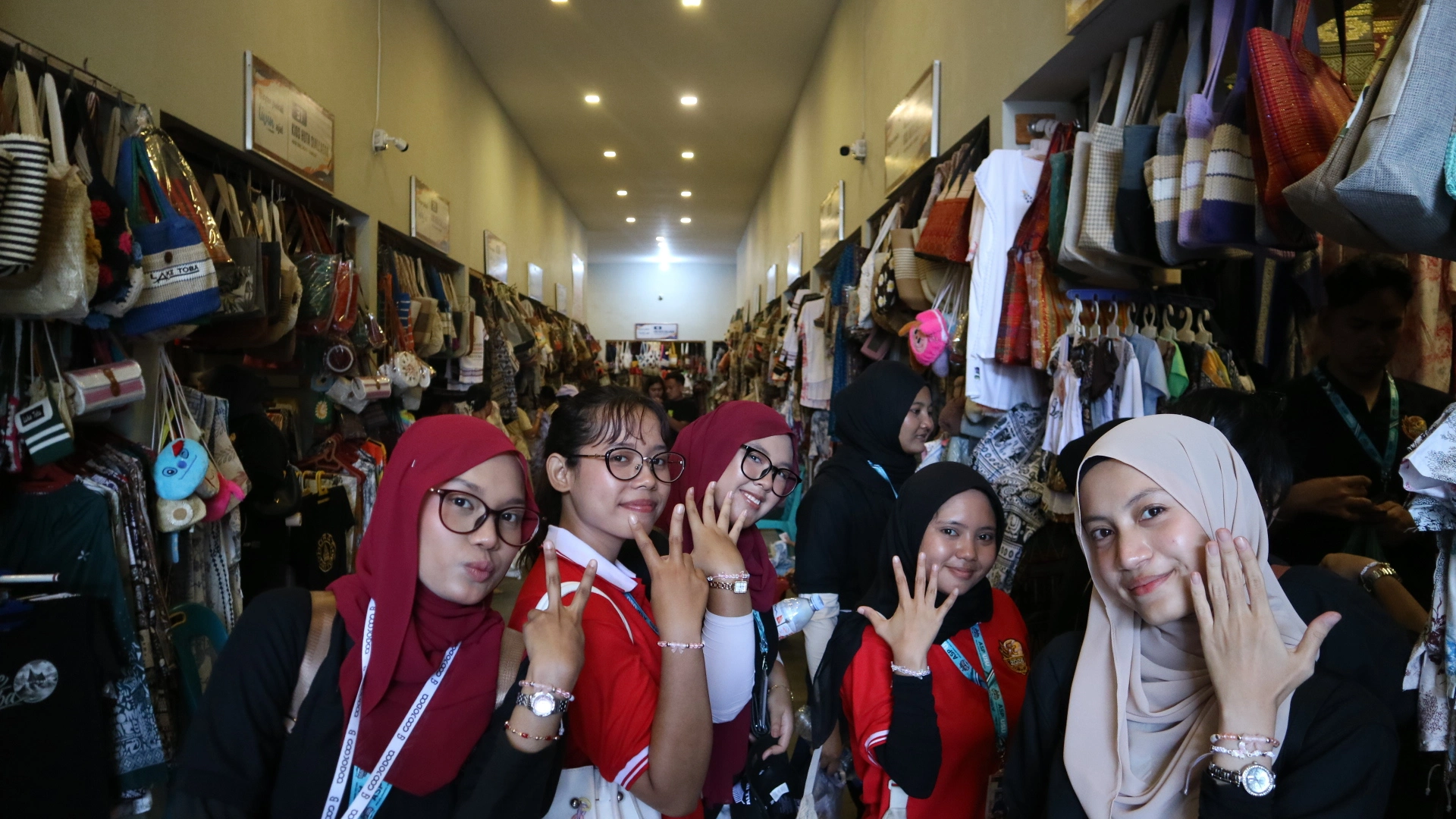
Interestingly, the interaction also took place through a bargaining process. Some delegates attempted to negotiate with MSME actors before deciding on the items they wished to purchase. Although simple, this interaction provided firsthand experience of the trade activities occurring in the tourist area of Huta Siallagan.
For the delegates, the visit became an opportunity to take home more than just souvenirs. The products they encountered became part of the story about the creativity of the local community while also introducing MSME creations to participants from outside Indonesia.
After purchasing various souvenirs from local MSMEs, the delegates returned to the ship to continue their journey. The committee then provided a buffet lunch on board. The communal serving of food created a more intimate atmosphere, while also serving as a space for the Malaysian delegates, the committee, and companions to interact and share stories during the trip. The lunch moment further enriched the visit's experience with a sense of togetherness amid their journey through the Lake Toba area.
The series of trips to Huta Siallagan ultimately brought together three experiences in one journey: enjoying the landscape of Lake Toba, understanding the wisdom and traditions of the Batak Toba, and seeing firsthand the creative economic products of the local community.
Through this experience, the International Summer Course 2026 not only provided learning in an academic setting but also opened a space for participants to learn from the community, culture, and environment beyond the campus. For the Malaysian delegates, the trip to Huta Siallagan became part of their experience of getting to know North Sumatra more closely through direct interaction with the richness of the local culture and the lives of its people.