


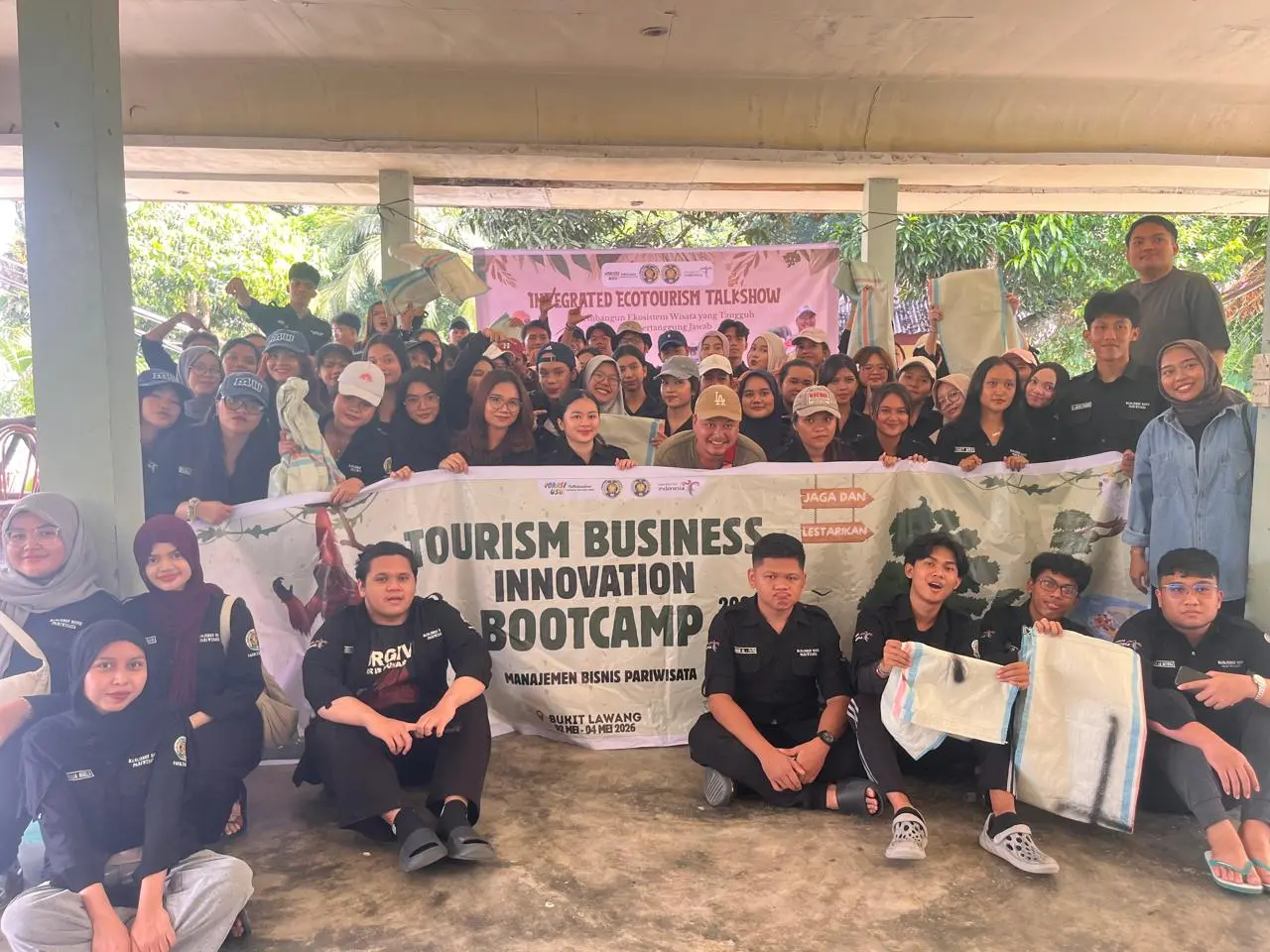
Medan, May 4, 2026 – The Applied Bachelor's Program in Tourism Business Management, Faculty of Vocational Education, Universitas Sumatera Utara (USU), successfully organized the Tourism Business Innovation Bootcamp 2026 in the tourist destination of Bukit Lawang, Langkat Regency. Held over three days, the program served as an implementation of experiential learning, designed to strengthen students' competencies by integrating theoretical knowledge, field practice, and the development of sustainable tourism business innovations.
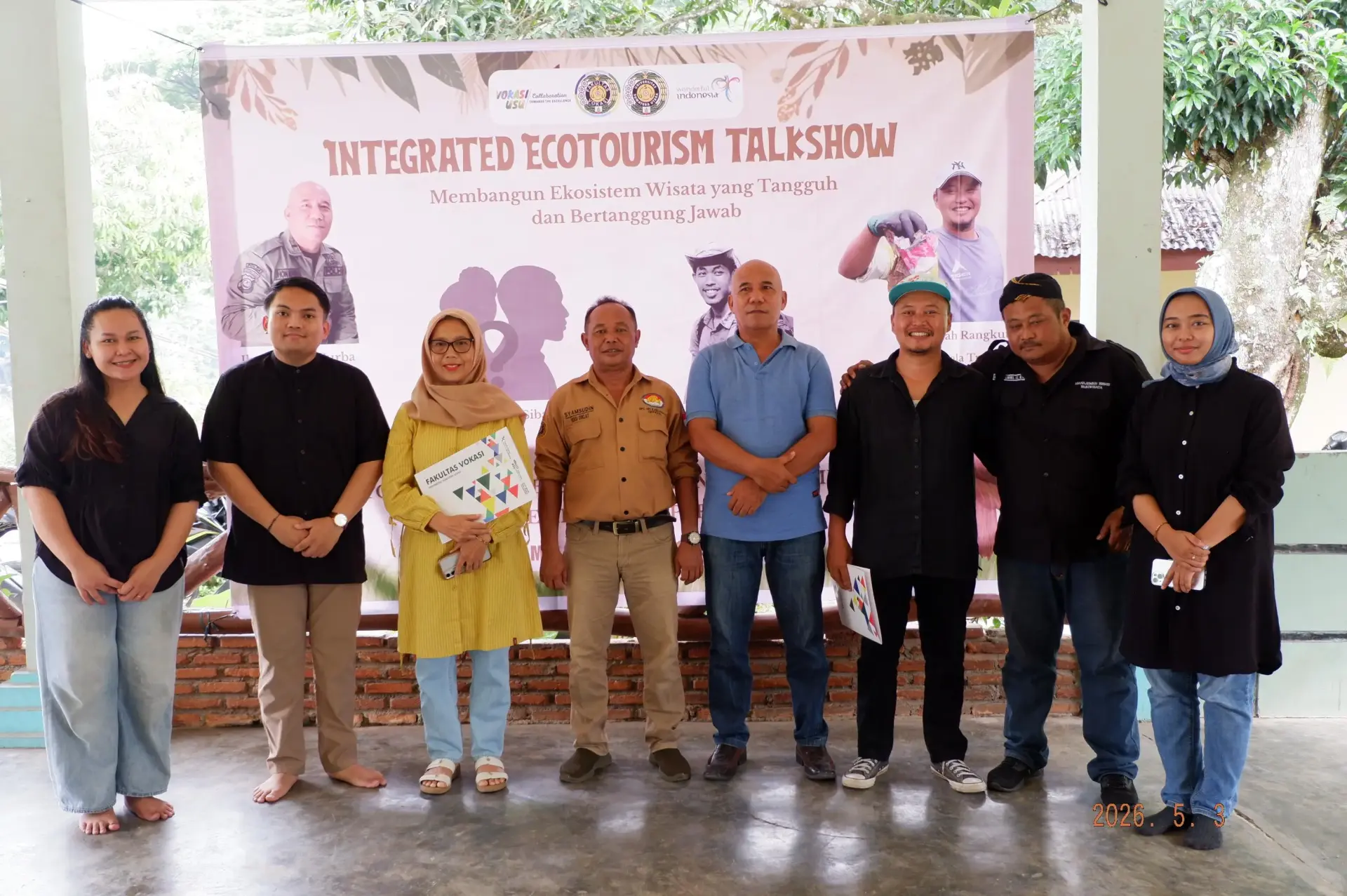
Carrying the theme "Tourism Business Innovation Bootcamp 2026," the program provided students with opportunities to learn directly from industry practitioners and stakeholders involved in the development of ecotourism in Bukit Lawang.
The first day began with the Integrated Ecotourism Talk Show: Building a Resilient and Responsible Tourism Ecosystem, held at the Leuser Sibayak Guesthouse Hall. The talk show featured speakers from various sectors who play significant roles in promoting sustainable tourism.
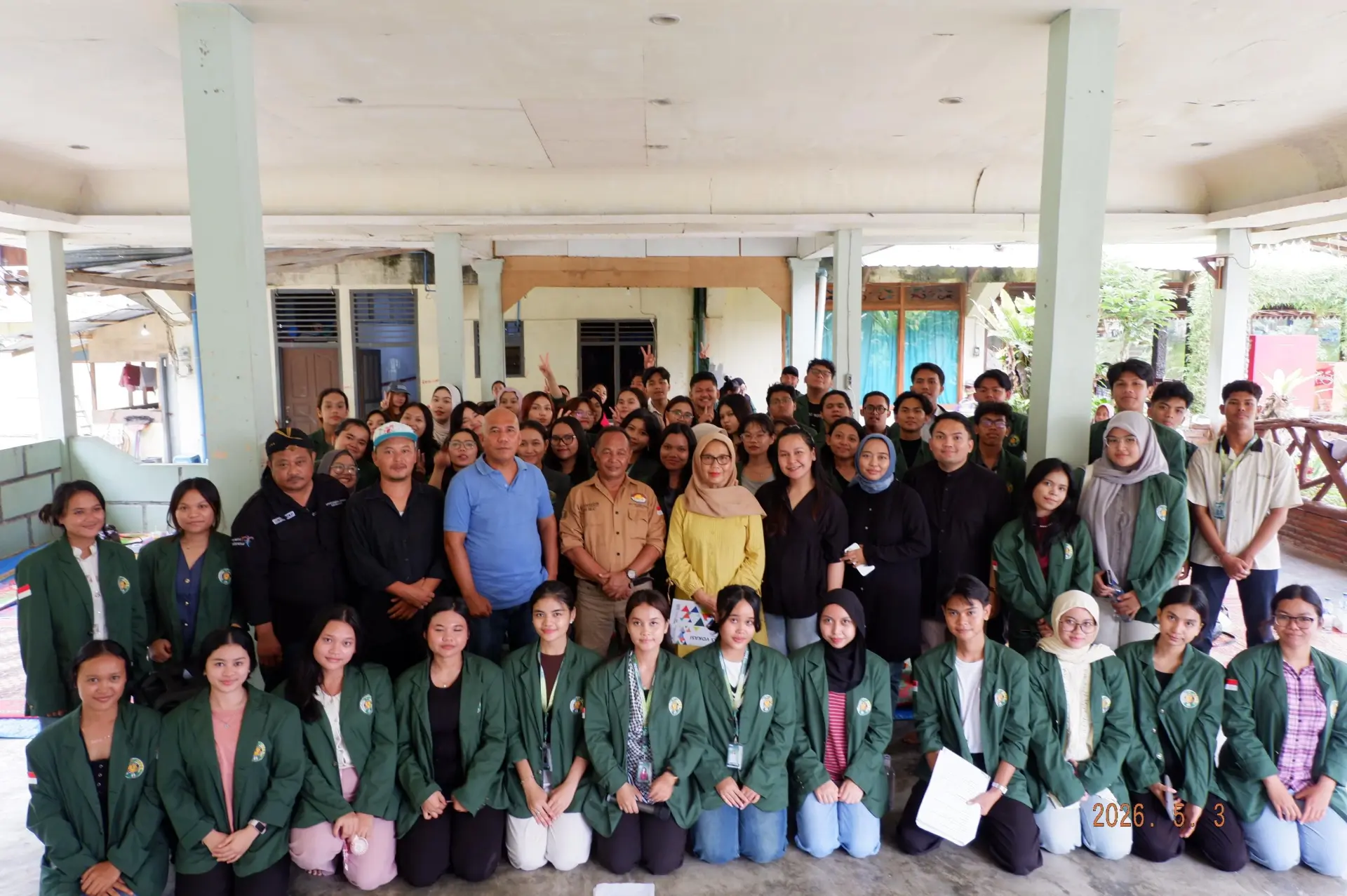
The first session was delivered by Maruli Purba from the Gunung Leuser National Park Authority (TNGL), who highlighted the importance of nature conservation as the foundation of ecotourism management in Bukit Lawang. Students gained insights into biodiversity conservation, wildlife habitat protection, and the importance of ensuring that tourism activities align with conservation principles to preserve the sustainability of the area.
The next presentation was delivered by Syamsudin, representing the Indonesian Tour Guides Association (HPI), Langkat Regency Chapter, who discussed the strategic role of tour guides in supporting sustainable ecotourism. Students were introduced to the professional competencies required of tour guides, including destination interpretation, cross-cultural communication, visitor safety management, and their role as educators in promoting responsible tourism.
The following session featured Hanzalah Rangkuti, Owner of Sumatera Trash Bank, who discussed waste management in tourism destinations. He explained the importance of implementing circular economy principles, reducing waste at its source, educating local communities and visitors, and fostering collaboration among stakeholders to create clean, healthy, and environmentally friendly tourist destinations.
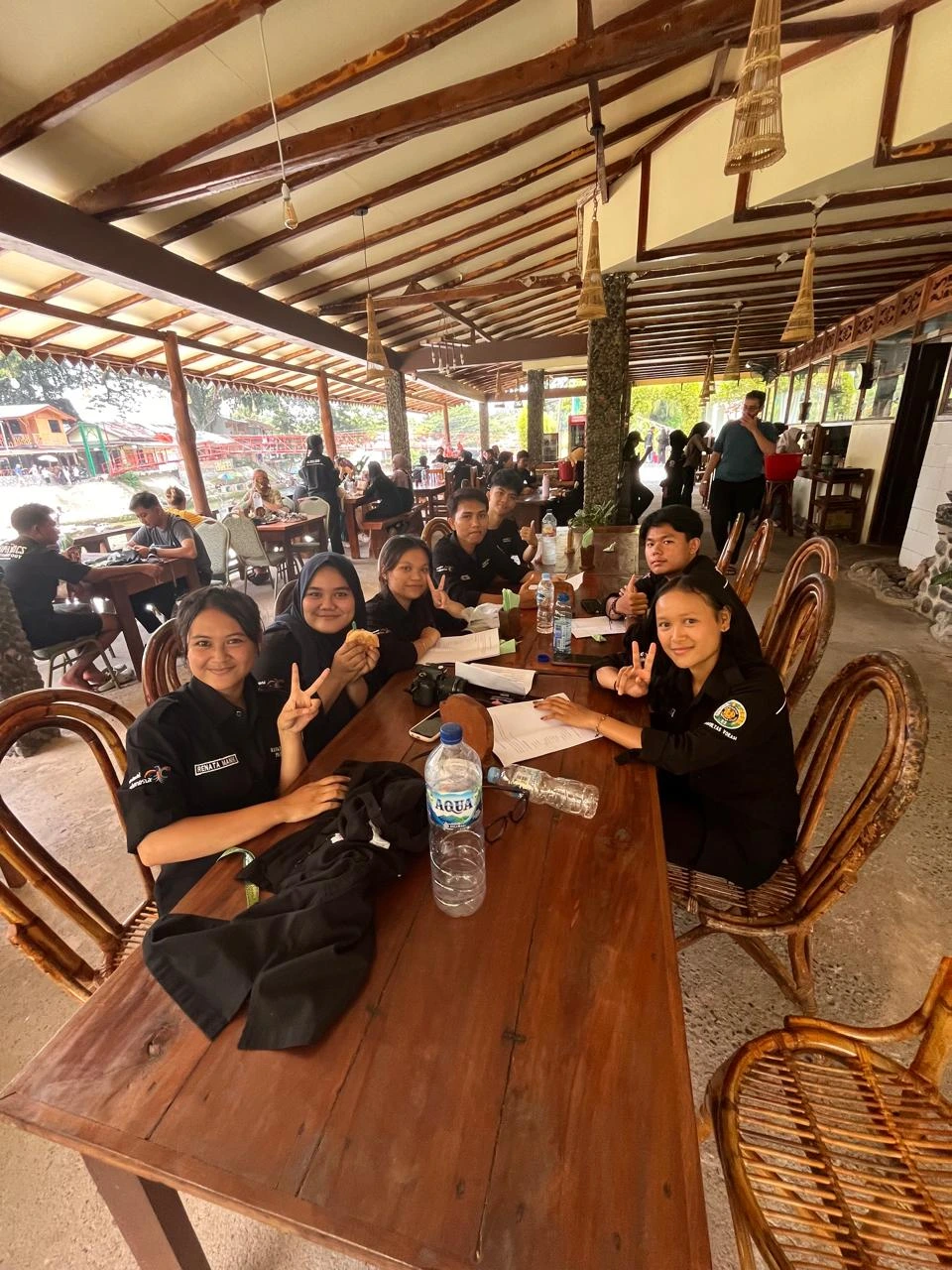
The talk show concluded with a presentation by the Owner of Leuser Sibayak Guesthouse, who shared practical experiences in managing accommodation businesses in Bukit Lawang. The session covered service quality improvement, accommodation operations management, customer satisfaction strategies, and the challenges and opportunities of operating hospitality businesses in an ecotourism destination.
On the second day of the Tourism Business Innovation Bootcamp 2026, students participated in field observations as part of the experiential learning program, combined with a destination clean-up campaign in collaboration with Sumatera Trash Bank. The activities were designed to provide comprehensive learning experiences, enabling students to understand tourism industry dynamics firsthand while fostering environmental awareness as an essential component of sustainable tourism.
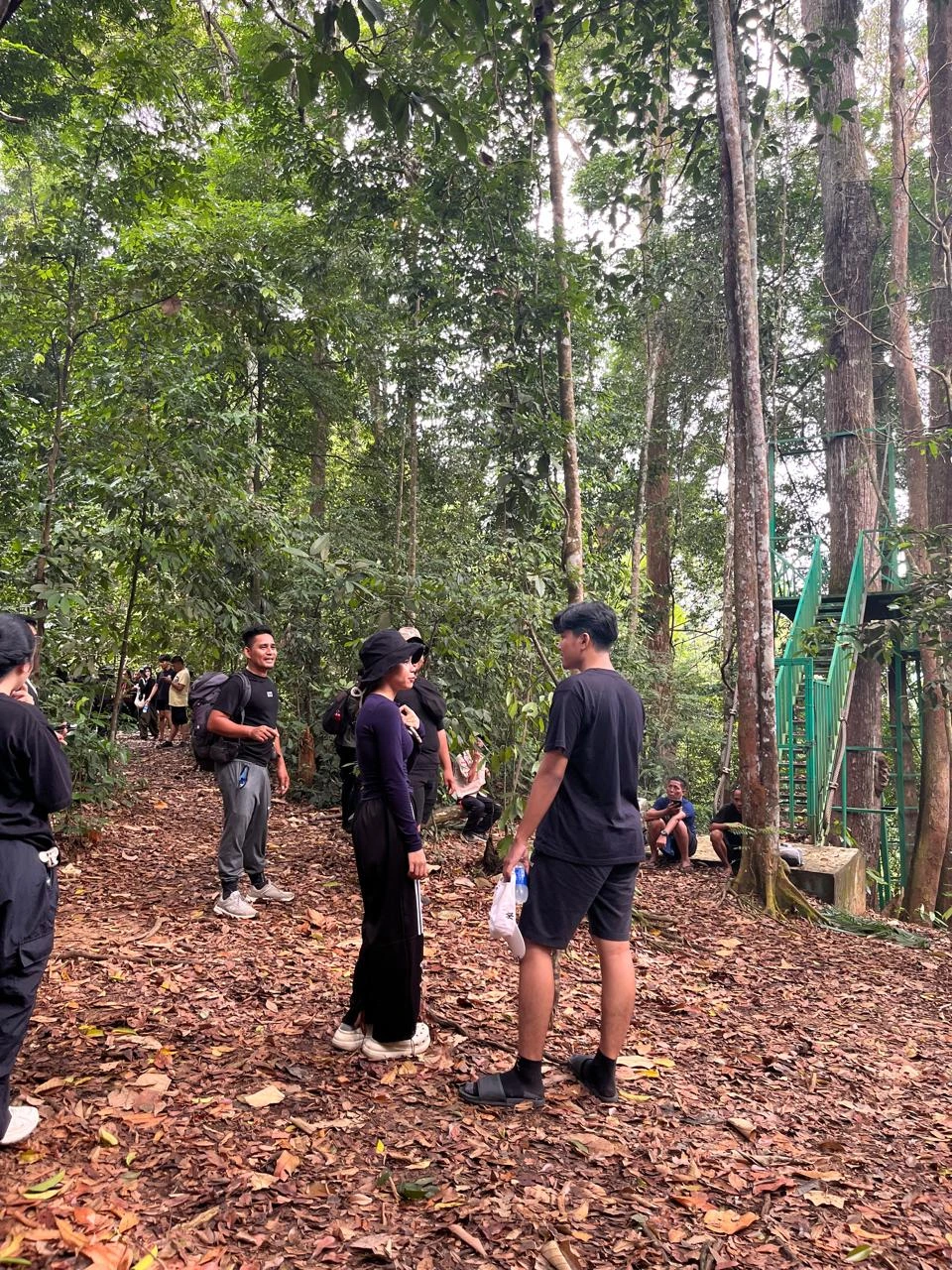
The day began with direct observations of tourism conditions in Bukit Lawang. Students interviewed tourists, destination managers, and tourism entrepreneurs to identify existing challenges, understand visitor needs and experiences, and gather stakeholder perspectives on opportunities, challenges, and strategies for sustainable destination development.
Following the field observations, students took part in a destination clean-up initiative alongside Sumatera Trash Bank as a practical application of sustainable tourism principles. In addition to participating in environmental conservation efforts, students received education on circular economy-based waste management, including waste segregation practices and the importance of multi-stakeholder collaboration in maintaining clean, healthy, and responsible tourist destinations.
Through field observations and data collection, students gained a comprehensive understanding of destination management, including service quality, marketing strategies, human resource management, tourism product development, and the implementation of ecotourism principles. The collected data will subsequently be analyzed to formulate recommendations and innovative solutions aimed at enhancing the competitiveness and sustainability of the destination.
The bootcamp integrated several courses, including Tourism Human Resource Management, Tourism Marketing Management, Ecotourism, and Tourism Destination Development. This multidisciplinary approach enabled students not only to understand academic concepts theoretically but also to develop critical thinking, analytical, collaborative, and problem-solving skills through direct field experience.
As the program's final output, each student group will prepare an analytical report based on their field observations and present their findings to lecturers and fellow students. The analyses will also be developed into innovative projects offering practical and creative solutions to the challenges identified, thereby contributing to the sustainable development of tourism destinations.
On the third and final day, students participated in a Fun Day, providing them with the opportunity to experience Bukit Lawang from the perspective of tourists as part of the experiential learning process.
Students trekked through the Gunung Leuser National Park, visited the Bat Cave, and explored the rich tropical rainforest ecosystem that is home to diverse flora and fauna unique to Sumatra. They also joined a rafting adventure along the Bahorok River, one of Bukit Lawang's signature nature-based tourism attractions. Through these activities, students not only enjoyed the destination but also observed firsthand how nature-based tourism products are managed, how visitor experiences are designed, and how service quality and conservation principles are integrated into tourism operations.
The Tourism Business Innovation Bootcamp 2026 reflects the commitment of the Applied Bachelor's Program in Tourism Business Management to delivering learning experiences that respond to industry needs. Through collaboration with various stakeholders and an experiential learning approach, students gained not only academic knowledge but also practical experience, professional networks, and the ability to develop innovative solutions that address the challenges of sustainable tourism development.
The program is expected to produce graduates who are not only academically competent but also demonstrate professionalism, environmental responsibility, innovative thinking, and the readiness to become future leaders and practitioners in the tourism industry at both the national and international levels.